Foot Stress Fractures From Running

Running places repeated force on the feet and lower legs, and that force can sometimes lead to a stress fracture. A stress fracture is a small crack in a bone caused by repeated impact rather than one sudden injury. Runners can develop these fractures in the feet, shins, or hips. Pain is usually focused on one specific area and can become more noticeable with activity. Swelling and bruising can also occur. The pain can ease with rest, but returning to running before the bone heals can make the injury worse.

Several factors can increase a runner’s risk of a stress fracture. A sudden jump in weekly mileage can place more force on bones than they are prepared to handle. Running in old shoes or shoes that lack proper support can also increase stress on the feet and legs. Running form matters as well. Over-striding happens when the foot lands too far in front of the body, increasing impact. Bone health also plays an important role. Low levels of calcium or vitamin D can weaken bones. For some female runners, under-eating combined with heavy exercise can affect hormones and bone strength, raising fracture risk.

A podiatrist can examine the painful area and evaluate a runner’s symptoms, training history, and foot mechanics. Imaging tests can help identify a stress fracture, although some small fractures are difficult to see on an early X-ray. Treatment can include limiting impact and protecting the injured area with a walking boot or cast. Healing can take several weeks, depending on the location and severity of the fracture. A podiatrist can monitor healing and guide a safe return to running. If you have symptoms of a stress fracture, it is suggested that you schedule an appointment with a podiatrist for a diagnosis and appropriate treatment.

Stress fractures occur when there is a tiny crack within a bone. To learn more, contact Eveleigh Williams, DPM from Sole 2 Sole, PC. Our doctor can provide the care you need to keep you pain free and on your feet.

How Are They Caused?

Stress fractures are the result of repetitive force being placed on the bone. Since the lower leg and feet often carry most of the body’s weight, stress fractures are likely to occur in these areas. If you rush into a new exercise, you are more likely to develop a stress fracture since you are starting too much, too soon.  Pain resulting from stress fractures may go unnoticed at first, however it may start to worsen over time.

Risk Factors

  • Gender – They are more commonly found in women compared to men.
  • Foot Problems – People with unusual arches in their feet are more likely to develop stress fractures.
  • Certain Sports – Dancers, gymnasts, tennis players, runners, and basketball players are more likely to develop stress fractures.
  • Lack of Nutrients – A lack of vitamin D and calcium may weaken the bones and make you more prone to stress fractures
  • Weak Bones – Osteoporosis can weaken the bones therefore resulting in stress fractures

Stress fractures do not always heal properly, so it is important that you seek help from a podiatrist if you suspect you may have one. Ignoring your stress fracture may cause it to worsen, and you may develop chronic pain as well as additional fractures.

If you have any questions please contact our office located in Olympia Fields, IL . We offer the newest diagnostic and treatment technologies for all your foot and ankle needs.

Read more about Stress Fractures of the Foot and Ankle

Daily Exercises Can Help Improve Foot Flexibility

Foot exercises can help keep the feet flexible, mobile, and prepared for daily activities. Gentle strengthening and stretching may decrease inflammation associated with stiffness and overuse while enhancing blood flow to the feet. Improved mobility can make walking and other weight-bearing activities more comfortable. However, exercises should match the person’s condition. Persistent or worsening symptoms should not be ignored, particularly when pain, swelling, or weakness affects normal movement.

One useful option is the towel stretch. Sit on the floor with one leg extended comfortably. Place a towel around the ball of the foot and hold both ends. Gently pull the towel toward your body until you feel a mild stretch along the calf and bottom of the foot. Hold briefly before slowly releasing. The movement should remain comfortable. A podiatrist can recommend how often to perform this exercise based on your flexibility and symptoms.


Another option is the kneeling foot stretch. Kneel on a padded surface with your toes tucked beneath your feet. Gradually sit back toward your heels until you feel a gentle stretch through the toes and soles. Hold briefly and return to a comfortable position, but do not force the movement. Common causes of foot discomfort include repetitive stress, injuries, and poorly fitting footwear. Risk factors may include high activity levels, previous injuries, and sudden increases in exercise.


A podiatrist can determine whether stretching exercises are appropriate by evaluating your symptoms, flexibility, and movement. Treatment may include exercise guidance, supportive footwear, and activity changes. Follow-up care can help track progress and modify exercises as needed. Proper technique is important because stretching through pain may worsen an existing problem. If you have foot pain or difficulty moving comfortably, it is suggested that you consult a podiatrist for an accurate diagnosis and appropriate treatment, in addition to guidance on effective foot stretches.

Exercising your feet regularly with the proper foot wear is a great way to prevent injuries and build strength. If you have any concerns about your feet, contact Eveleigh Williams, DPM from Sole 2 Sole, PC. Our doctor can provide the care you need to keep you pain-free and on your feet.

Exercise for Your Feet

Exercise for your feet can help you gain strength, mobility and flexibility in your feet. They say that strengthening your feet can be just as rewarding as strengthening another part of the body. Your feet are very important, and we often forget about them in our daily tasks. But it is because of our feet that are we able to get going and do what we need to. For those of us fortunate enough to not have any foot problems, it is an important gesture to take care of them to ensure good health in the long run.

Some foot health exercises can include ankle pumps, tip-toeing, toe rises, lifting off the floor doing reps and sets, and flexing the toes. It is best to speak with Our doctor to determine an appropriate regimen for your needs. Everyone’s needs and bodies are different, and the activities required to maintain strength in the feet vary from individual to individual. 

Once you get into a routine of doing regular exercise, you may notice a difference in your feet and how strong they may become.

If you have any questions, please feel free to contact our office located in Olympia Fields, IL . We offer the newest diagnostic and treatment technologies for all your foot care needs.

Read more about Exercise for Your Feet

Causes of Bruised Heels in Active Individuals

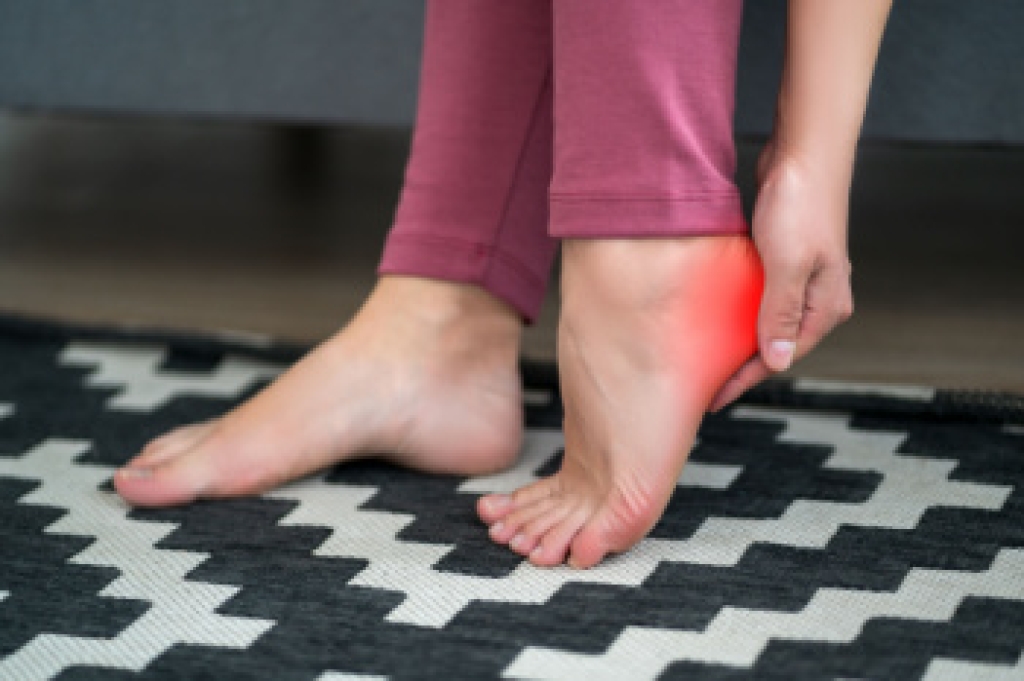
Heel pain is a common foot complaint that can affect people of all activity levels. One specific cause of heel pain is a bruised heel, also known as a heel contusion. This condition occurs when the fat pad under the heel becomes damaged due to repeated impact or a sudden force. The heel pad acts as a natural shock absorber, but excessive stress can lead to bleeding under the skin and tissue irritation. Understanding the source of heel pain is essential for preventing further injury and maintaining proper foot function.

Symptoms of a bruised heel include tenderness and discomfort while walking or standing. Patients may notice a red or purple bruise on the outside of the heel, which is a sign of bleeding beneath the skin surface. The area may feel sore to the touch and worsen with weight-bearing activity. Unlike other causes of heel pain, such as plantar fasciitis, a bruised heel is usually linked to direct impact and may feel more localized. Swelling and stiffness may also be present, making daily movement more difficult.


Several risk factors increase the likelihood of developing a bruised heel. Repetitive pounding on the foot, especially during running or jumping activities, places stress on the heel pad. Wearing loose-fitting shoes can reduce stability and allow the foot to shift, increasing impact forces. Jumping from a high spot and landing directly on the feet can cause immediate injury to the heel. Individuals with high-impact lifestyles or improper footwear choices are at greater risk for developing heel contusions and ongoing discomfort.


Proper care for heel pain includes rest, supportive footwear, and avoiding high-impact activities during recovery. Custom insoles can help reduce pressure on the heel and promote healing. Early evaluation by a podiatrist can confirm the diagnosis and rule out other conditions. Timely treatment helps prevent chronic pain and long-term damage. If you have bruised your heel, it is suggested that you consult a podiatrist for effective relief and treatment solutions.

Many people suffer from bouts of heel pain. For more information, contact Eveleigh Williams, DPM of Sole 2 Sole, PC. Our doctor can provide the care you need to keep you pain-free and on your feet.

Causes of Heel Pain

Heel pain is often associated with plantar fasciitis. The plantar fascia is a band of tissues that extends along the bottom of the foot. A rip or tear in this ligament can cause inflammation of the tissue.

Achilles tendonitis is another cause of heel pain. Inflammation of the Achilles tendon will cause pain from fractures and muscle tearing. Lack of flexibility is also another symptom.

Heel spurs are another cause of pain. When the tissues of the plantar fascia undergo a great deal of stress, it can lead to ligament separation from the heel bone, causing heel spurs.

Why Might Heel Pain Occur?

  • Wearing ill-fitting shoes                
  • Wearing non-supportive shoes
  • Weight change           
  • Excessive running

Treatments

Heel pain should be treated as soon as possible for immediate results. Keeping your feet in a stress-free environment will help. If you suffer from Achilles tendonitis or plantar fasciitis, applying ice will reduce the swelling. Stretching before an exercise like running will help the muscles. Using all these tips will help make heel pain a condition of the past.

If you have any questions, please feel free to contact our office located in Olympia Fields, IL . We offer the newest diagnostic and treatment technologies for all your foot care needs.

Read more about Heel Pain

Managing Recurring Corns on the Feet

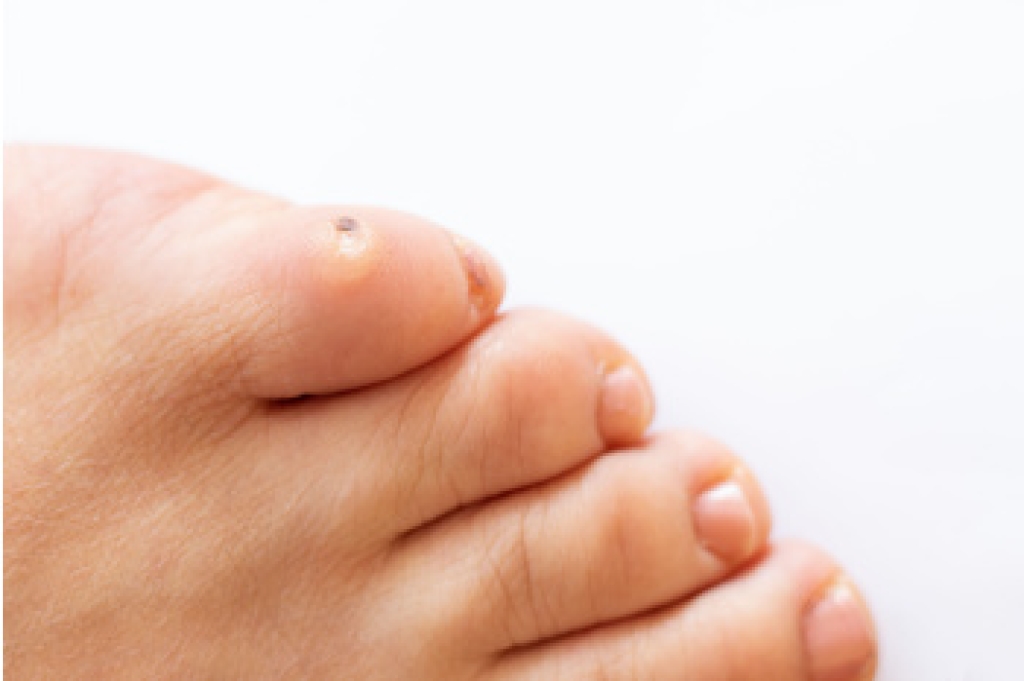
Corns on the feet are thick, hardened areas of skin that develop in response to repeated pressure and friction. They can appear on the tops or sides of the toes, between the toes, or on the bottoms of the feet. Corns can look rough, raised, and slightly yellow. Some become tender or painful when touched. Shoes that fit too tightly can create repeated rubbing that leads to corns. Standing or walking for long periods of time can also place enough pressure on certain areas to cause them.

Foot structure and the way a person walks can increase the chance of developing corns. A corn can form as the skin tries to protect itself from continued pressure, but the thickened area itself can eventually become painful. Discomfort can become more noticeable when shoes press against the corn. Corns can also return when the source of friction remains. Properly fitting shoes can help reduce pressure on sensitive areas. However, recurring or painful corns can signal a foot problem that deserves a closer evaluation.

A podiatrist can examine a corn and determine what is creating excess pressure on the affected area. Treatment can include carefully removing layers of hardened skin with sanitized instruments. Patients should not cut corns themselves because doing so can damage healthy skin and increase the risk of infection. A podiatrist can also assess foot shape and walking patterns to identify factors that contribute to repeated corns. Recommendations can include wearing properly fitting shoes, protective padding, or other methods that reduce pressure. Podiatric care is especially important when a corn keeps returning or causes significant pain. If you have developed of corns on the feet, it is suggested that you schedule an appointment with a podiatrist for effective relief and treatment solutions. 

Corns can make walking very painful and should be treated immediately. If you have questions regarding your feet and ankles, contact Eveleigh Williams, DPM of Sole 2 Sole, PC. Our doctor will treat your foot and ankle needs.

Corns: What Are They? And How Do You Get Rid of Them?
Corns are thickened areas on the skin that can become painful. They are caused by excessive pressure and friction on the skin. Corns press into the deeper layers of the skin and are usually round in shape.

Ways to Prevent Corns
There are many ways to get rid of painful corns such as:

  • Wearing properly fitting shoes that have been measured by a professional
  • Wearing shoes that are not sharply pointed or have high heels
  • Wearing only shoes that offer support

Treating Corns

Although most corns slowly disappear when the friction or pressure stops, this isn’t always the case. Consult with your podiatrist to determine the best treatment option for your case of corns.

If you have any questions, please feel free to contact our office located in Olympia Fields, IL . We offer the newest diagnostic and treatment technologies for all your foot care needs.

Read more about Understanding Corns and Calluses

Are Bunions Affecting Your Everyday Life?

Have you noticed a bony protrusion on the side of your big toe? If so, you may have developed the foot condition known as a bunion. Don't let bunions interfere with your daily activities.

Connect with us

Latest Chicago Heights, Olympia Fields Blog Posts