
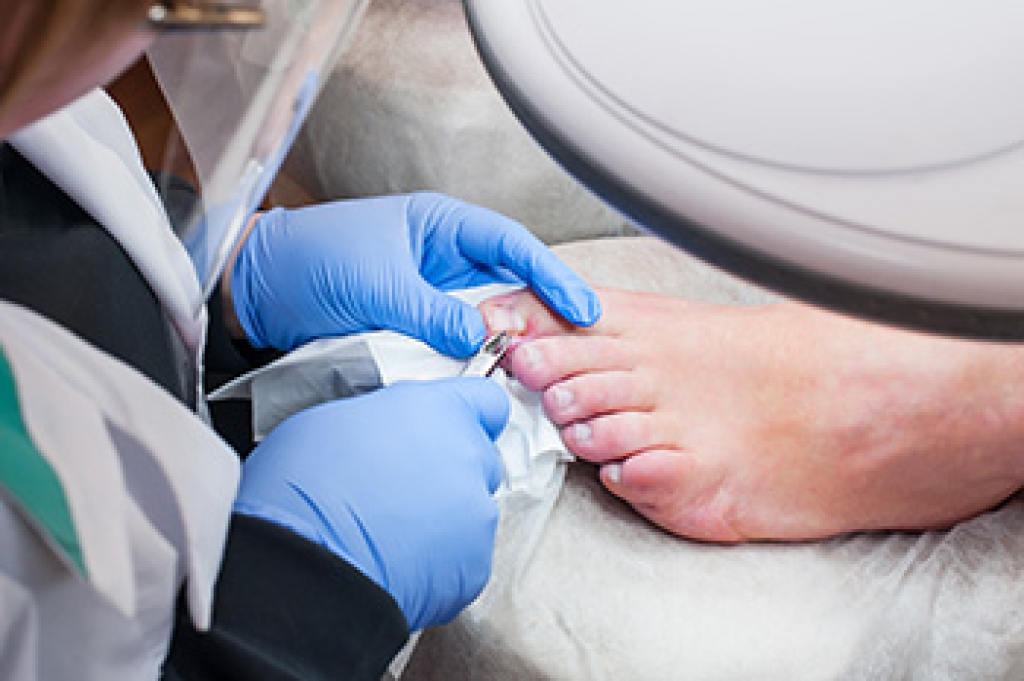
Surgery for Ingrown Toenails

An ingrown toenail develops when the edge of a nail grows into the surrounding skin, often causing pain, redness, and swelling. Common causes include improper toenail trimming, wearing tight shoes, and repeated pressure on the toes. Risk factors include curved nails, injury, and poor foot-care habits. When conservative care is not effective, a minor surgical procedure may be recommended. This procedure involves gently removing part of the nail and treating the nail root to prevent it from growing inward again. Recovery time is usually short, with most people returning to normal activities within a few days while keeping the area clean and protected. A podiatrist can diagnose the condition, provide treatment, and help prevent recurrence. If you have symptoms of an ingrown toenail, it is suggested that you consult a podiatrist who can offer effective treatment solutions, which may include minor surgery.

Foot surgery is sometimes necessary to treat a foot ailment. To learn more, contact Eveleigh Williams, DPM of Sole 2 Sole, PC. Our doctor will assist you with all of your foot and ankle needs.

When Is Surgery Necessary?

Foot and ankle surgery is generally reserved for cases in which less invasive, conservative procedures have failed to alleviate the problem. Some of the cases in which surgery may be necessary include:

  • Removing foot deformities like bunions and bone spurs
  • Severe arthritis that has caused bone issues
  • Cosmetic reconstruction

What Types of Surgery Are There?

The type of surgery you receive will depend on the nature of the problem you have. Some of the possible surgeries include:

  • Bunionectomy for painful bunions
  • Surgical fusion for realignment of bones
  • Neuropathy decompression surgery to treat nerve damage

Benefits of Surgery

Although surgery is usually a last resort, it can provide more complete pain relief compared to non-surgical methods and may allow you to finally resume full activity.

Surgical techniques have also become increasingly sophisticated. Techniques like endoscopic surgery allow for smaller incisions and faster recovery times.

If you have any questions, please feel free to contact our office located in Olympia Fields, IL . We offer the newest diagnostic and treatment technologies for all your foot care needs.

Read more about Foot Surgery

Dealing With Plantar Warts

Plantar warts are growths that develop on the bottom of the foot due to infection from the human papillomavirus, or HPV. They often appear as small, rough lesions with a grainy surface and may have tiny black dots within them, which are clotted blood vessels. Unlike other warts, they tend to grow inward because of pressure from walking or standing. Pain may increase with direct pressure, especially on weight-bearing areas, such as the heel or ball of the foot. These warts can spread through direct contact or from walking barefoot in shared spaces. A podiatrist can identify plantar warts and distinguish them from callouses or other skin conditions. Treatment includes topical medications, careful removal of thickened skin, or in-office procedures designed to eliminate the wart tissue. Addressing the condition early can reduce discomfort and limit spread. If you think you have a plantar wart, it is suggested that you make an appointment with a podiatrist for treatment. 

Plantar warts can be very uncomfortable. If you need your feet checked, contact Eveleigh Williams, DPM from Sole 2 Sole, PC. Our doctor will assist you with all of your foot and ankle needs.

About Plantar Warts

Plantar warts are the result of HPV, or human papillomavirus, getting into open wounds on the feet. They are mostly found on the heels or balls of the feet.

While plantar warts are generally harmless, those experiencing excessive pain or those suffering from diabetes or a compromised immune system require immediate medical care. Plantar warts are easily diagnosed, usually through scraping off a bit of rough skin or by getting a biopsy.

Symptoms

  • Lesions on the bottom of your feet, usually rough and grainy
  • Hard or thick callused spots
  • Wart seeds, which are small clotted blood vessels that look like little black spots
  • Pain, discomfort, or tenderness of your feet when walking or standing

Treatment

  • Freezing
  • Electric tool removal
  • Laser Treatment
  • Topical Creams (prescription only)
  • Over-the-counter medications

To help prevent developing plantar warts, avoid walking barefoot over abrasive surfaces that can cause cuts or wounds for HPV to get into. Avoiding direct contact with other warts, as well as not picking or rubbing existing warts, can help prevent the further spread of plantar warts. However, if you think you have developed plantar warts, speak to your podiatrist. He or she can diagnose the warts on your feet and recommend the appropriate treatment options.

If you have any questions, please feel free to contact our office located in Olympia Fields, IL . We offer the newest diagnostic and treatment technologies for all your foot care needs.

Read more about All About Plantar Warts
Connect with us

Latest Chicago Heights, Olympia Fields Blog Posts