
Protecting Your Feet From Diabetic Foot Ulcers

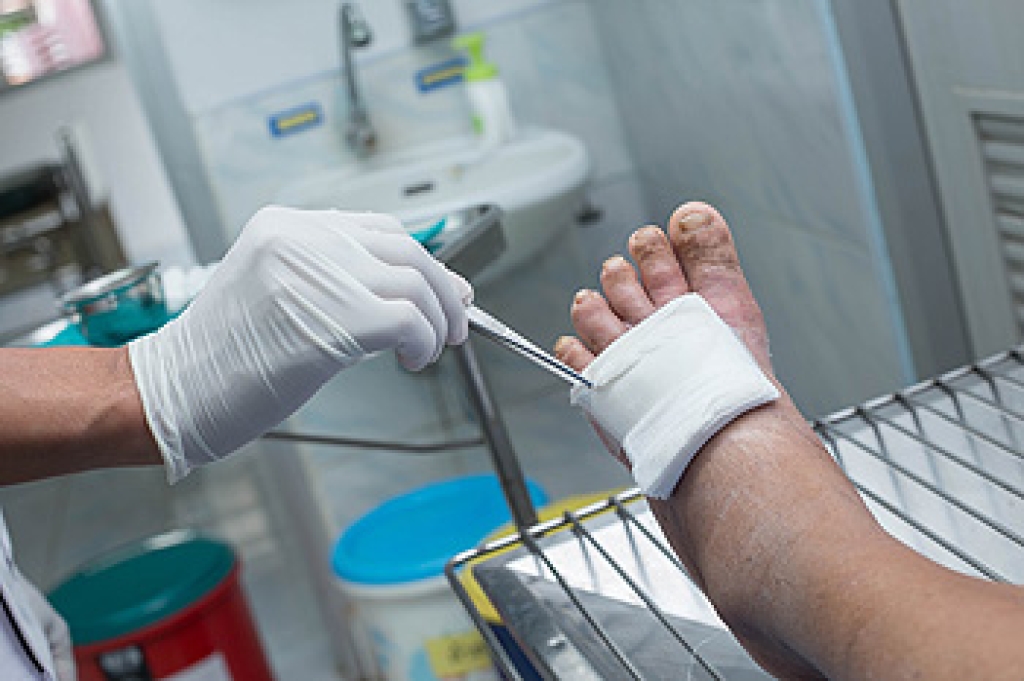
Diabetes can affect the feet in ways that are easy to overlook until a serious problem develops. High blood sugar can damage nerves, reducing the ability to feel pain, heat, or injuries. This means a small cut or blister can go unnoticed. Diabetes can also reduce blood flow to the feet, making such wounds slower to heal and increasing the risk of infection. In such cases, a foot ulcer can develop. Even a minor injury from bumping the foot, stepping on a sharp object, or wearing shoes that do not fit properly can cause a foot ulcer. This open sore can become severe without prompt treatment. Because these injuries are not always painful, regular foot examinations by a podiatrist are an important part of protecting foot health.

A podiatrist carefully checks the skin, circulation, and nerve function to identify early warning signs. The examination also focuses on pressure points, changes in foot shape, and areas of irritation that increase the chance of skin breakdown. Professional care includes treating calluses, trimming thick toenails, and managing developing wounds in ways that encourage healing. A podiatrist can also recommend shoes that fit properly and provide better protection against rubbing and pressure. Early diagnosis and treatment can help lower the risk of infection, hospitalization, and surgery.

Regular visits with a podiatrist play an important role in preventing diabetic foot complications. Professional evaluations help detect changes that patients cannot always see or feel because of reduced sensation. Prompt treatment of small wounds and pressure-related skin problems can prevent them from becoming dangerous ulcers. Education provided by a podiatrist also helps patients understand why proper shoe fit and routine foot evaluations are essential for protecting mobility. Delaying care allows a small problem to become much more difficult to treat. If you have symptoms of a foot ulcer resulting from diabetes, it is suggested that you are under the care of a podiatrist who can help to manage this serious condition.

Diabetic foot care is important in preventing foot ailments such as ulcers. If you are suffering from diabetes or have any other concerns about your feet, contact Eveleigh Williams, DPM from Sole 2 Sole, PC. Our doctor can provide the care you need to keep you pain-free and on your feet.

Diabetic Foot Care

Diabetes affects millions of people every year. The condition can damage blood vessels in many parts of the body, especially the feet. Because of this, taking care of your feet is essential if you have diabetes, and having a podiatrist help monitor your foot health is highly recommended.

The Importance of Caring for Your Feet

  • Routinely inspect your feet for bruises or sores.
  • Wear socks that fit your feet comfortably.
  • Wear comfortable shoes that provide adequate support.

Patients with diabetes should have their doctor monitor their blood levels, as blood sugar levels play such a huge role in diabetic care. Monitoring these levels on a regular basis is highly advised.

It is always best to inform your healthcare professional of any concerns you may have regarding your feet, especially for diabetic patients. Early treatment and routine foot examinations are keys to maintaining proper health, especially because severe complications can arise if proper treatment is not applied.

If you have any questions, please feel free to contact our office located in Olympia Fields, IL . We offer the newest diagnostic and treatment technologies for all your foot care needs.

Read more about Diabetic Foot Conditions

Why Active Kids Can Experience Heel Pain from Sever's Disease

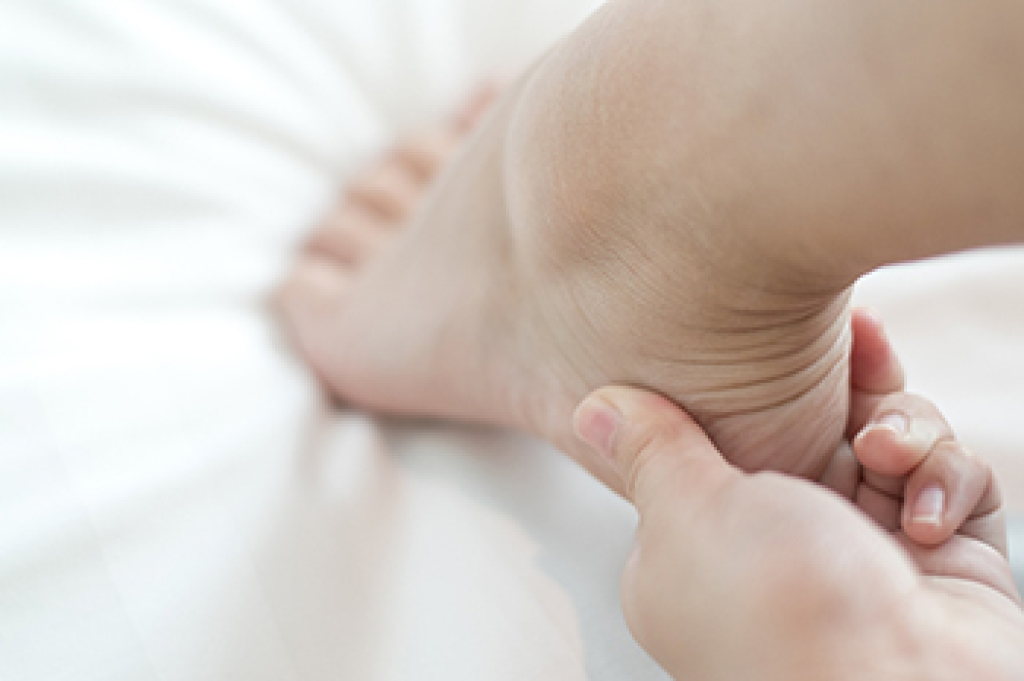
Sever's disease is one of the most frequent causes of heel pain in active children. It occurs when repetitive stress affects the growth plate in the heel, leading to irritation and discomfort. As children grow, their bones develop quickly, while muscles and tendons may remain tight. This creates increased tension at the heel, particularly during sports and physical activity. The condition is most often seen in children between 8 and 14 years old who are involved in activities that require running and jumping.

Common symptoms include heel pain that worsens with activity and improves with rest. Children may complain of soreness after sports or physical education. Limping or favoring one foot is also common, especially after prolonged activity. The heel may feel tender to the touch, and pressure can increase discomfort. These symptoms may come and go but tend to return if the underlying cause is not addressed.


Several risk factors increase the likelihood of developing Sever's disease. Rapid growth during adolescence is a primary factor, as it affects the balance between bones and soft tissues. High impact sports, tight calf muscles, and lack of proper shoe support can all contribute. Children with flat feet or high arches may place uneven stress on the heel, increasing irritation. Understanding these risks can help guide prevention and early care.


Treatment focuses on relieving stress on the heel and promoting healing. Rest, stretching, and wearing supportive shoes are key components of recovery. Heel cushions and orthotic devices can provide additional support and reduce impact. Early management allows children to remain active while minimizing discomfort. If your active child has heel pain, it is suggested that you consult a podiatrist for an accurate diagnosis and effective relief and management tips.

Sever's disease often occurs in children and teens. If your child is experiencing foot or ankle pain, see Eveleigh Williams, DPM from Sole 2 Sole, PC. Our doctor can treat your child’s foot and ankle needs.

Sever’s Disease

Sever’s disease is also known as calcaneal apophysitis, which is a medical condition that causes heel pain I none or both feet. The disease is known to affect children between the ages of 8 and 14.

Sever’s disease occurs when part of the child’s heel known as the growth plate (calcaneal epiphysis) is attached to the Achilles tendon. This area can suffer injury when the muscles and tendons of the growing foot do not keep pace with bone growth. Therefore, the constant pain which one experiences at the back of the heel will make the child unable to put any weight on the heel. The child is then forced to walk on their toes.

Symptoms

Acute pain – Pain associated with Sever’s disease is usually felt in the heel when the child engages in physical activity such as walking, jumping and or running.

Highly active – Children who are very active are among the most susceptible in experiencing Sever’s disease, because of the stress and tension placed on their feet.

If you have any questions, please feel free to contact our office located in Olympia Fields, IL . We offer the newest diagnostic and treatment technologies for all your foot care needs.

Read more about Sever's Disease

Wounds That Don't Heal Need to Be Checked

Your feet are covered most of the day. If you're diabetic, periodic screening is important for good health. Numbness is often a sign of diabetic foot and can mask a sore or wound.

Connect with us

Latest Chicago Heights, Olympia Fields Blog Posts