

How Podiatry Helps With Ankle Pain

Ankle pain is a common problem that can affect people of all ages and activity levels. The ankle is a complex joint that supports body weight and helps with movement, making it vulnerable to injury and wear-and-tear. Ankle pain may develop suddenly after a sprain or twist, or it can appear gradually over time. Common causes include ligament injuries, tendon problems, arthritis, and overuse-related conditions. Symptoms can vary but often include pain, swelling, stiffness, or difficulty walking. Some people may also notice instability in the ankle, making it harder to move with confidence. Because ankle pain can have many causes, a professional evaluation is important for determining the source of the problem.


In some cases, ankle pain may interfere with work, exercise, sports, and daily activities. Persistent ankle pain should not be ignored, especially if symptoms continue to worsen or limit mobility. Conditions affecting the ankle can sometimes lead to changes in walking patterns, which may place added stress on the feet, knees, and other joints. Early diagnosis can help identify whether the pain is related to a sports injury, joint condition, tendon issue, or another underlying problem. Understanding the cause of ankle pain is often the first step toward effective treatment and improved function.


A podiatrist is a foot and ankle specialist trained to diagnose and treat ankle pain and related conditions. During an evaluation, a podiatrist can assess the ankle joint, review symptoms, and recommend appropriate treatment options based on the underlying cause. Treatment plans are designed to reduce pain, improve mobility, and help prevent future complications. Seeking timely podiatry care may improve outcomes and support a faster return to normal activities. If you are experiencing ankle pain, swelling, stiffness, instability, or difficulty walking, it is suggested that you consult a podiatrist for a comprehensive evaluation and appropriate treatment options.

Ankle pain can have many different causes and the pain may potentially be serious. If you have ankle pain, consult with Eveleigh Williams, DPM from Sole 2 Sole, PC. Our doctor will assess your condition and provide you with quality foot and ankle treatment.

Ankle pain is any condition that causes pain in the ankle. Due to the fact that the ankle consists of tendons, muscles, bones, and ligaments, ankle pain can come from a number of different conditions.

Causes

The most common causes of ankle pain include:

  • Types of arthritis (rheumatoid, osteoarthritis, and gout)
  • Ankle sprains
  • Broken ankles
  • Achilles tendinitis
  • Achilles tendon rupture
  • Stress fractures
  • Tarsal tunnel syndrome
  • Plantar fasciitis

Symptoms

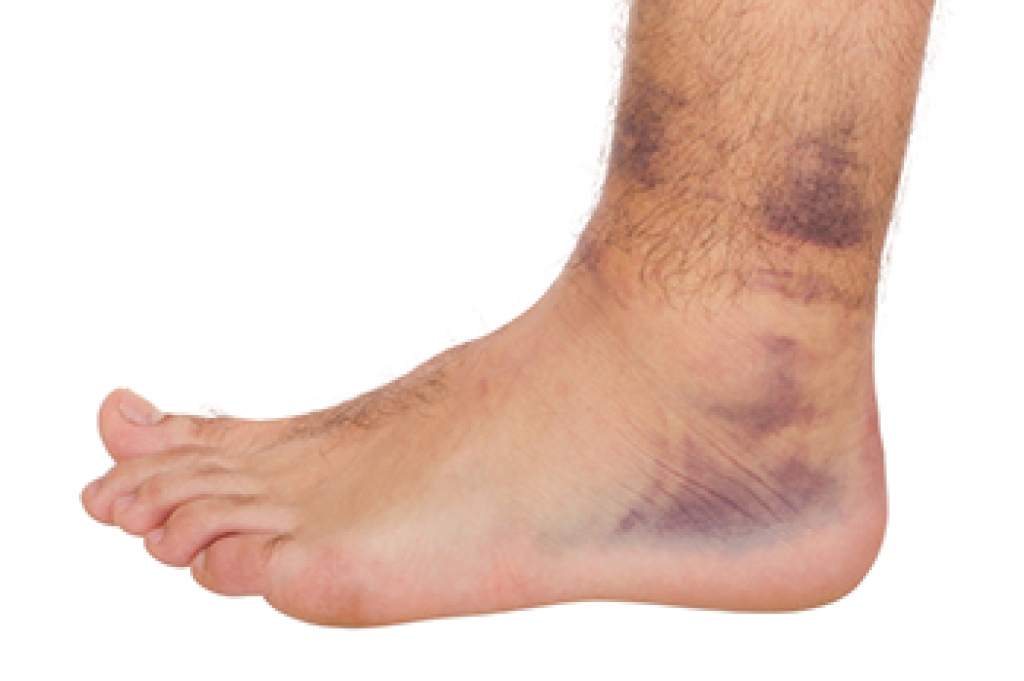
Symptoms of ankle injury vary based upon the condition. Pain may include general pain and discomfort, swelling, aching, redness, bruising, burning or stabbing sensations, and/or loss of sensation.

Diagnosis

Due to the wide variety of potential causes of ankle pain, podiatrists will utilize a number of different methods to properly diagnose ankle pain. This can include asking for personal and family medical histories and of any recent injuries. Further diagnosis may include sensation tests, a physical examination, and potentially x-rays or other imaging tests.

Treatment

Just as the range of causes varies widely, so do treatments. Some more common treatments are rest, ice packs, keeping pressure off the foot, orthotics and braces, medication for inflammation and pain, and surgery.

If you have any questions please feel free to contact our office located in Olympia Fields, IL . We offer the newest diagnostic tools and technology to treat your foot and ankle needs.

Read more about Various Causes of Ankle Pain

Dealing With an Ankle Sprain

It can be difficult to tell the difference between an ankle sprain and a fracture without proper evaluation. Both often occur after a fall, misstep, or sudden twist, and each can cause immediate pain, swelling, and difficulty bearing weight. A sprained ankle involves stretched or torn ligaments, while a broken ankle affects one or more bones. Common symptoms include bruising, stiffness, and instability along with swelling, tenderness, limited motion. The ankle may look puffy or misshapen and it can feel weak, especially during movement. Causes include sports injuries, uneven surfaces and accidents. A podiatrist can help by performing a detailed examination and ordering imaging to accurately diagnose the injury and rule out fractures. Treatment may begin with immobilization, rest, and supportive devices. It then can progress to targeted exercises, bracing, or surgical care depending on severity. If you have sustained an ankle injury, it is suggested that you make an appointment with a podiatrist.

Ankle sprains are common but need immediate attention. If you need your feet checked, contact Eveleigh Williams, DPM from Sole 2 Sole, PC. Our doctor can provide the care you need to keep you pain-free and on your feet.

How Does an Ankle Sprain Occur?

Ankle sprains take place when the ligaments in your ankle are torn or stretched beyond their limits. There are multiple ways that the ankle can become injured, including twisting or rolling over onto your ankle, putting undue stress on it, or causing trauma to the ankle itself.

What Are the Symptoms?

  • Mild to moderate bruising
  • Limited mobility
  • Swelling
  • Discoloration of the skin (depending on severity)

Preventing a Sprain

  • Wearing appropriate shoes for the occasion
  • Stretching before exercises and sports
  • Knowing your limits

Treatment of a Sprain

Treatment of a sprain depends on the severity.  Many times, people are told to rest and remain off their feet completely, while others are given an air cast. If the sprain is very severe, surgery may be required.

If you have suffered an ankle sprain previously, you may want to consider additional support such as a brace and regular exercises to strengthen the ankle.

If you have any questions please feel free to contact our office located in Olympia Fields, IL . We offer the newest diagnostic tools and technology to treat your foot and ankle needs.

Read more about Ankle Sprains

Common Toenail Problems in Older Adults

Toenail changes become more common with age due to slower nail growth, reduced circulation, repeated pressure, and underlying health conditions. Thickened nails are frequently seen and may become difficult to trim, uncomfortable in shoes, or more prone to cracking. Fungal infections can cause discoloration, brittleness, and changes in nail shape. Ingrown toenails may develop when nail edges press into surrounding skin, leading to pain, swelling, or infection. Some older adults experience curved or overgrown nails that become harder to manage safely at home. Trauma from shoe pressure or minor injuries may also lead to darkened nails or separation from the nail bed. A podiatrist can evaluate nail changes, identify underlying causes, and provide safe treatment, especially when circulation problems or diabetes are present. If toenails become painful, thick, discolored, or difficult to care for, it is strongly suggested that you visit a podiatrist for an evaluation and appropriate treatment.

If you need your feet checked, contact Eveleigh Williams, DPM of Sole 2 Sole, PC. Our doctor will attend to all of your foot and ankle needs and provide you with quality treatment.

Geriatrics and Podiatry
When people age, some common issues that may occur are bone density loss, dry skin, poor circulation, and rough brittle nails. These issues may also affect your foot health if the necessary steps are not taken to alleviate the problems.

It is important to take care of your feet because feet that are injured or diseased can affect your overall health. Having painful feet hinders your ability to do daily activities or may decrease your willingness to do the things that you need to do.

Visiting Your Geriatrician
As we age, health problems become more likely, so it is essential to visit your doctor for check-ups to ensure that you are doing the best you can to take care of your health. It is recommended to check your feet frequently for any possible cuts, bruises, swelling, corns or any other irregularities. 

Taking Care of Elderly Feet
Cracked or dry feet can be treated by applying moisturizer often. It is also important not to wear old socks because the older the sock is, the higher the possibility there will be that there is bacteria there. Wear fresh socks and make sure they fit properly.

Proper foot health means that you can have a more active lifestyle and you will not be bogged down by pain. Foot health also leads to good circulation, which is paramount for overall health.

If you have any questions, please feel free to contact our office located in Olympia Fields, IL . We offer the newest diagnostic and treatment technologies for all your foot care needs.

Read more about Geriatrics and Podiatry

Causes of Blisters on the Feet

Blisters on the feet are small pockets of fluid that form when the skin experiences friction, heat, or pressure. They may look like raised, clear or whitish bumps on the surface of the skin and can sometimes develop a red or inflamed border. Blisters often feel tender, sore, or tight, and walking or standing may become uncomfortable. Common causes include poorly fitting shoes, repetitive motion, excessive sweating, or prolonged activities like running or hiking. In some cases, blisters can result from burns, allergic reactions, or underlying medical conditions. A podiatrist can begin by examining the blister, determining the cause, and ensuring there are no signs of infection. Treatment may involve safe drainage techniques, footwear adjustments, and strategies to reduce friction and pressure in the future. Because early care can prevent complications and promote healing, it is suggested that you schedule an appointment with a podiatrist.

Blisters are prone to making everyday activities extremely uncomfortable. If your feet are hurting, contact Eveleigh Williams, DPM of Sole 2 Sole, PC. Our doctor can provide the care you need to keep you pain-free and on your feet.

Foot Blisters

Foot blisters develop as a result of constantly wearing tight or ill-fitting footwear. This happens due to the constant rubbing from the shoe, which can often lead to pain.

What Are Foot Blisters?

A foot blister is a small fluid-filled pocket that forms on the upper-most layer of the skin. Blisters are filled with clear fluid and can lead to blood drainage or pus if the area becomes infected.

How Do Blisters Form?

Blisters on the feet are often the result of constant friction of skin and material, usually by shoe rubbing. Walking in sandals, boots, or shoes that don’t fit properly for long periods of time can result in a blister. Having consistent foot moisture and humidity can easily lead to blister formation.

Prevention & Treatment

It is important to properly care for the affected area in order to prevent infection and ease the pain. Do not lance the blister and use a Band-Aid to provide pain relief. Also, be sure to keep your feet dry and wear proper fitting shoes. If you see blood or pus in a blister, seek assistance from a podiatrist.

If you have any questions, please feel free to contact our office located in Olympia Fields, IL . We offer the newest diagnostic and treatment technologies for all your foot care needs.

Read more about Blisters

It's Time for Beautiful Feet

You don't need an excuse to have beautiful nails. Step outside without worrying about the appearance of your feet.

Connect with us

Latest Chicago Heights, Olympia Fields Blog Posts