

Should I Get Bunion Surgery?

Bunions are a common foot deformity in which a bony bump slowly grows along the outside of the foot at the base of the big toe joint. Bunions can be painful, making walking and finding comfortable shoes particularly difficult. Conservative treatments such as resting and icing the foot and shoe modifications are usually the first line of treatment to address bunion symptoms and slow or prevent progression.  However, surgery is also an option and can be used to relieve pain, improve foot stability, restore walking ability, improve the appearance of the foot, and prevent other deformities from developing. Whether or not you should consider surgery depends on the severity of the bunion, the impact that symptoms have on your daily life, and the presence of any other health conditions. To learn more about treatment options for bunions, please consult with a podiatrist.

If you are suffering from bunions, contact Eveleigh Williams, DPM of Sole 2 Sole, PC. Our doctor can provide the care you need to keep you pain-free and on your feet.

What Is a Bunion?

A bunion is formed of swollen tissue or an enlargement of boney growth, usually located at the base joint of the toe that connects to the foot. The swelling occurs due to the bones in the big toe shifting inward, which impacts the other toes of the foot. This causes the area around the base of the big toe to become inflamed and painful.

Why Do Bunions Form?

Genetics – Susceptibility to bunions are often hereditary

Stress on the feet – Poorly fitted and uncomfortable footwear that places stress on feet, such as heels, can worsen existing bunions

How Are Bunions Diagnosed?

Podiatrists often perform two tests – blood tests and x-rays – when trying to diagnose bunions, especially in the early stages of development. Blood tests help determine if the foot pain is being caused by something else, such as arthritis, while x-rays provide a clear picture of your bone structure to your provider.

How Are Bunions Treated?

  • Refrain from wearing heels or similar shoes that cause discomfort
  • Select wider shoes that can provide more comfort and reduce pain
  • Anti-inflammatory and pain management drugs
  • Orthotics or foot inserts
  • Surgery

If you have any questions, please feel free to contact our office located in Olympia Fields, IL . We offer the newest diagnostic and treatment technologies for all your foot care needs.

Read more about What Are Bunions?

What Are Sesamoids and Are They Important?

Although they are small, the two sesamoid bones within the tendon under the big toe joint have three big responsibilities. First, they act as weight-bearing aids to the first metatarsal bone. Secondly, they facilitate normal movement of the big toe. Lastly, they help the big toe push off adequately during running and walking. Sesamoiditis can occur when these pea-sized bones and their associated tendons become inflamed due to overuse or other conditions that place excessive pressure on the ball of the foot. Some of these activities and contributing factors may include running, ballet, tennis, basketball, football, wearing high heels, and having high arches. If you have fluctuating pain under your big toe, a podiatrist can examine you and may perform various imaging studies to determine if you have sesamoiditis. Treatment for sesamoiditis may include various techniques to keep weight off of the foot and relieve tension in the affected area, oral or injectable medications to reduce pain and swelling, custom orthotics to redistribute pressure on the ball of the foot, rehabilitative therapies, or even surgery if the condition does not respond to more conservative treatments.

Sesamoiditis is an unpleasant foot condition characterized by pain in the balls of the feet. If you think you’re struggling with sesamoiditis, contact Eveleigh Williams, DPM of Sole 2 Sole, PC. Our doctor will treat your condition thoroughly and effectively.

Sesamoiditis

Sesamoiditis is a condition of the foot that affects the ball of the foot. It is more common in younger people than it is in older people. It can also occur with people who have begun a new exercise program, since their bodies are adjusting to the new physical regimen. Pain may also be caused by the inflammation of tendons surrounding the bones. It is important to seek treatment in its early stages because if you ignore the pain, this condition can lead to more serious problems such as severe irritation and bone fractures.

Causes of Sesamoiditis

  • Sudden increase in activity
  • Increase in physically strenuous movement without a proper warm up or build up
  • Foot structure: those who have smaller, bonier feet or those with a high arch may be more susceptible

Treatment for sesamoiditis is non-invasive and simple. Doctors may recommend a strict rest period where the patient forgoes most physical activity. This will help give the patient time to heal their feet through limited activity. For serious cases, it is best to speak with your doctor to determine a treatment option that will help your specific needs.

If you have any questions, please feel free to contact our office located in Olympia Fields, IL . We offer the newest diagnostic and treatment technologies for all your foot care needs.

Read more about Sesamoiditis

What Should I Do if I Broke My Toe?

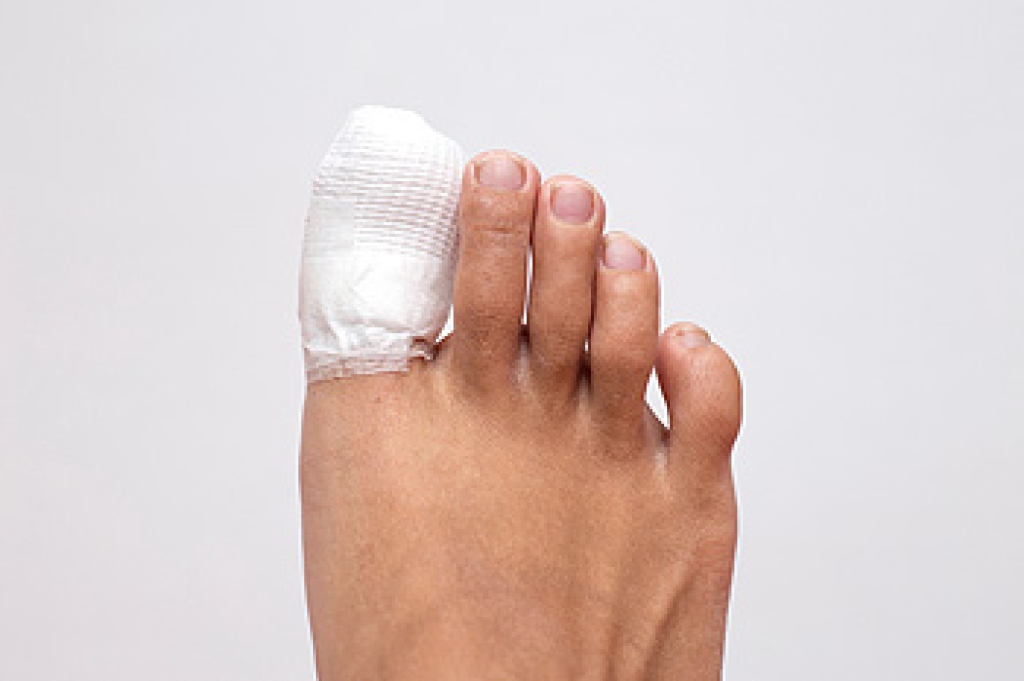
A broken toe may occur due to a sudden injury, or can develop gradually over time. If you have broken your toe, you may notice symptoms such as pain, swelling, redness, bruising, and difficulty walking. You should seek immediate medical attention if the toe is numb or badly cut or wounded, deformed, makes a snapping, popping, or grinding sound at the time of injury, or if you have severe pain. You should also seek medical care as soon as possible if you have broken your big toe. Less severe injuries can usually be managed with rest, ice, and elevation at home while you wait for an appointment with your doctor. If you suspect you may have broken your toe, please see a podiatrist.

Broken toes may cause a lot of pain and should be treated as soon as possible. If you have any concerns about your feet, contact Eveleigh Williams, DPM from Sole 2 Sole, PC. Our doctor will treat your foot and ankle needs.

What Is a Broken Toe?

A broken toe occurs when one or more of the toe bones of the foot are broken after an injury. Injuries such as stubbing your toe or dropping a heavy object on it may cause a toe fracture.

Symptoms of a Broken Toe

  • Swelling
  • Pain (with/without wearing shoes)
  • Stiffness
  • Nail Injury

Although the injured toe should be monitored daily, it is especially important to have a podiatrist look at your toe if you have severe symptoms. Some of these symptoms include worsening or new pain that is not relieved with medication, sores, redness, or open wounds near the toe.

If you have any questions please feel free to contact our office located in Olympia Fields, IL . We offer the newest diagnostic tools and technology to treat your foot and ankle needs.

Read more about What to Know About a Broken Toe

Wounds That Don't Heal Need to Be Checked

Your feet are covered most of the day. If you're diabetic, periodic screening is important for good health. Numbness is often a sign of diabetic foot and can mask a sore or wound.

How Is Tarsal Tunnel Syndrome Treated?

Tarsal tunnel syndrome is a condition in which the posterior tibial nerve, which runs through an area called the tarsal tunnel along the inside of the ankle, is compressed. This often occurs with other foot problems, such as plantar fasciitis or acquired flat foot. Tarsal tunnel syndrome causes sharp, shooting, electrical, dull, or burning pain sensations on the inner side of the ankle and in the heel. Treatment is almost always non-surgical and includes wearing comfortable shoes or orthotics, doing stretching exercises, modifying your daily activities to limit standing and walking while you heal, and taking nonsteroidal anti-inflammatory drugs to reduce pain. To learn more about treatment options for tarsal tunnel syndrome, please consult with a podiatrist.

Tarsal tunnel syndrome can be very uncomfortable to live with. If you are experiencing tarsal tunnel syndrome, contact Eveleigh Williams, DPM of Sole 2 Sole, PC. Our doctor can provide the care you need to keep you pain-free and on your feet.

Tarsal Tunnel Syndrome

Tarsal tunnel syndrome, which can also be called tibial nerve dysfunction, is an uncommon condition of misfiring peripheral nerves in the foot. The tibial nerve is the peripheral nerve in the leg responsible for sensation and movement of the foot and calf muscles. In tarsal tunnel syndrome, the tibial nerve is damaged, causing problems with movement and feeling in the foot of the affected leg.

Common Cause of Tarsal Tunnel Syndrome

  • Involves pressure or an injury, direct pressure on the tibial nerve for an extended period of time, sometimes caused by other body structures close by or near the knee.
  • Diseases that damage nerves, including diabetes, may cause tarsal tunnel syndrome.
  • At times, tarsal tunnel syndrome can appear without an obvious cause in some cases.

The Effects of Tarsal Tunnel Syndrome

  • Different sensations, an afflicted person may experience pain, tingling, burning or other unusual sensations in the foot of the affected leg.
  • The foot muscles, toes and ankle become weaker, and curling your toes or flexing your foot can become difficult.
  • If condition worsens, infections and ulcers may develop on the foot that is experiencing the syndrome.

A physical exam of the leg can help identify the presence of tarsal tunnel syndrome. Medical tests, such as a nerve biopsy, are also used to diagnose the condition. Patients may receive physical therapy and prescriptive medication. In extreme cases, some may require surgery.

If you have any questions please contact our office located in Olympia Fields, IL . We offer the newest diagnostic and treatment technologies for all your foot and ankle needs.

Read more about Treating Tarsal Tunnel Syndrome
Connect with us

Latest Chicago Heights, Olympia Fields Blog Posts