
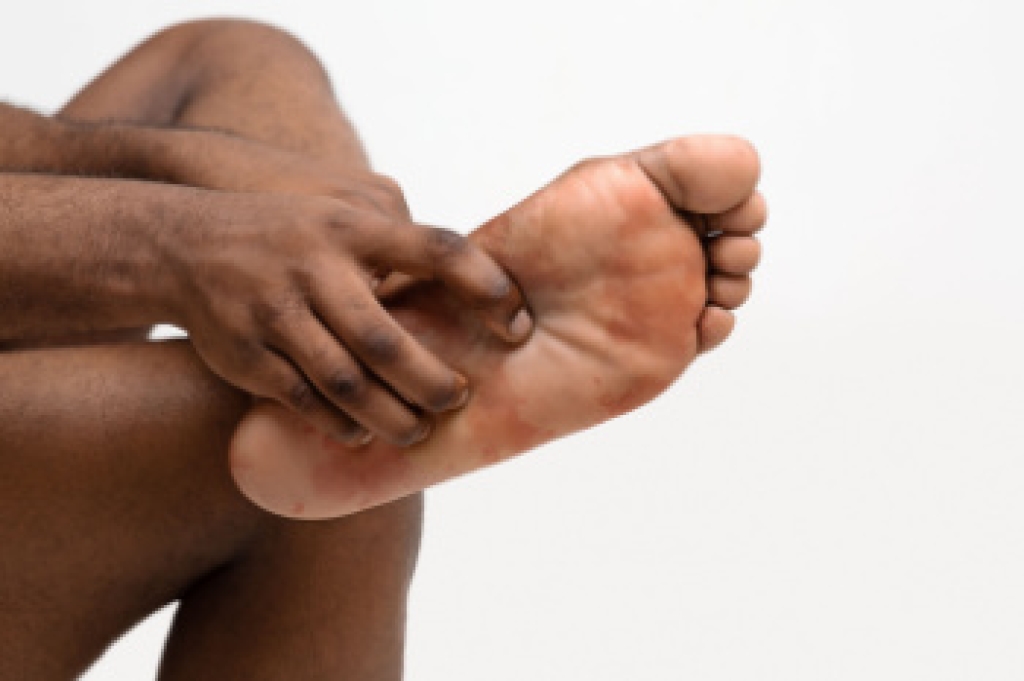
When Plantar Fasciitis Surgery Becomes an Option

Plantar fasciitis develops when tissue along the bottom of the foot becomes irritated or damaged. This strong band connects the heel to the front of the foot and supports the arch. The resulting pain can make standing, running, or walking difficult. A podiatrist can examine the foot, review the patient’s health history, and diagnose the problem. In most cases, treatment from a podiatrist can help to reduce strain and improve foot function. However, surgery is an option when heel pain remains severe after months of professional care and limits activities.

The surgery is called a plantar fasciotomy, also known as a plantar fascia release. The podiatric surgeon detaches part of the fascia from the heel bone, which reduces built-up tension in the damaged tissue. Endoscopic surgery uses tiny cuts and a small camera to guide the surgeon. The choice depends on the patient’s health, symptoms, and the surgeon’s recommendation. Both approaches are outpatient procedures, so patients can return home the same day. Risks include infection, nerve injury, and continued heel pain. A podiatrist can explain the benefits and risks.

Recovery follows a plan created by the surgeon and podiatrist. Patients must protect the incision and follow instructions about placing weight on the foot. Many people can bear weight within two to three weeks, although timing depends on the procedure and wound healing. Full recovery takes about two months. Follow-up visits allow the podiatrist to check healing, evaluate foot movement, and address swelling or tenderness. Patients should call the medical office if they notice increasing pain, drainage, or fever. Gradual improvement is expected, but discomfort can remain as the tissue heals. The care team will explain when it is safe to return to work, exercise, and wear normal shoes. If you have severe heel pain, it is suggested that you schedule an appointment with a podiatrist who can discuss the benefits of this type of foot surgery with you.

Plantar fasciitis can be very painful and inconvenient. If you are experiencing heel pain or symptoms of plantar fasciitis, contact Eveleigh Williams, DPM  from Sole 2 Sole, PC. Our doctor can provide the care you need to keep you pain-free and on your feet.

What Is Plantar Fasciitis?

Plantar fasciitis is the inflammation of the thick band of tissue that runs along the bottom of your foot, known as the plantar fascia, and causes mild to severe heel pain.

What Causes Plantar Fasciitis?

  • Excessive running
  • Non-supportive shoes
  • Overpronation
  • Repeated stretching and tearing of the plantar fascia

How Can It Be Treated?

  • Conservative measures – anti-inflammatories, ice packs, stretching exercises, physical therapy, orthotic devices
  • Shockwave therapy – sound waves are sent to the affected area to facilitate healing and are usually used for chronic cases of plantar fasciitis
  • Surgery – usually only used as a last resort when all else fails. The plantar fascia can be surgically detached from the heel

While very treatable, plantar fasciitis is definitely not something that should be ignored. Especially in severe cases, speaking to your doctor right away is highly recommended to avoid complications and severe heel pain. Your podiatrist can work with you to provide the appropriate treatment options tailored to your condition.

If you have any questions, please feel free to contact our office located in Olympia Fields, IL . We offer the newest diagnostic and treatment technologies for all your foot care needs.
Read more about Plantar Fasciitis

Ankle Osteoarthritis and the Impact of Past Injuries

Osteoarthritis of the ankle is a degenerative joint condition that occurs when the protective cartilage within the ankle joint gradually wears down. This leads to bone-on-bone contact, resulting in pain, stiffness, and reduced mobility. Unlike other joints, ankle osteoarthritis is often linked to prior injury rather than age alone. Ankle trauma, including fractures and sprains, can disrupt joint alignment and increase the risk of long-term damage. Understanding the definition and causes of ankle osteoarthritis can help individuals recognize early signs and seek proper care.

Symptoms of osteoarthritis in the ankle include persistent pain, swelling, stiffness, and limited range of motion. These symptoms may worsen with activity and improve with rest, but discomfort can become more constant. Individuals may also experience a grinding sensation within the joint or difficulty walking on uneven surfaces. These changes can affect daily activities and reduce overall quality of life if left untreated. Early identification of symptoms is important for managing progression.


Risk factors for ankle osteoarthritis often involve a history of injury. Ankle sprains, which are among the most common athletic injuries, can weaken ligaments and lead to joint instability. Repeated trauma or improper healing can accelerate cartilage breakdown. Additional risk factors include high-impact sports, excess body weight, and poor joint alignment. These factors place increased stress on the ankle and contribute to gradual joint degeneration. Recognizing these risks allow for better prevention strategies.


Managing ankle osteoarthritis involves reducing stress on the joint and maintaining mobility through supportive care. Wearing stable footwear, engaging in low-impact exercise, and addressing previous injuries can help protect the ankle. Early treatment can slow progression and improve comfort. If you have symptoms of osteoarthritis in your ankles, it is suggested that you consult a podiatrist for effective relief and management solutions. 

Arthritis can be a difficult condition to live with. If you are seeking treatment, contact Eveleigh Williams, DPM from Sole 2 Sole, PC. Our doctor can provide the care you need to keep you pain-free and on your feet.

Arthritic Foot Care  

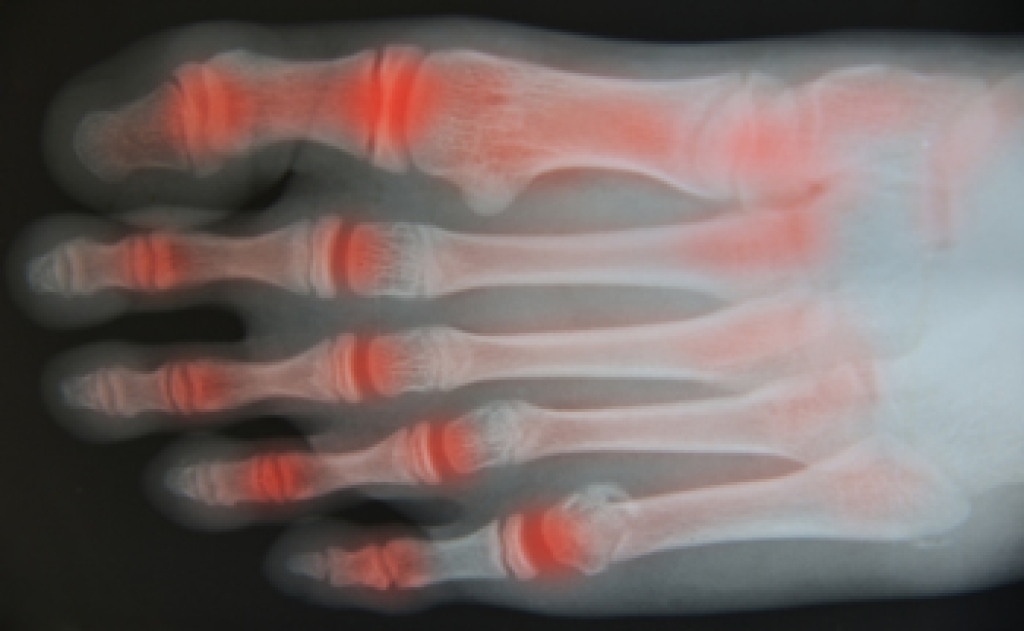
Arthritis is a joint disorder that involves the inflammation of different joints in your body, such as those in your feet. Arthritis is often caused by a degenerative joint disease and causes mild to severe pain in all affected areas. In addition to this, swelling and stiffness in the affected joints can also be a common symptom of arthritis.

In many cases, wearing ill-fitting shoes can worsen the effects and pain of arthritis. Wearing shoes that have a lower heel and extra room can help your feet feel more comfortable. In cases of rheumatoid arthritis, the arch in your foot may become problematic. Buying shoes with proper arch support that contour to your feet can help immensely.

Alleviating Arthritic Pain

  • Exercises that stretch the foot can prevent further pain and injury and increase mobility
  • Most of the pain can be alleviated with anti-inflammatory drugs, heat, and topical medications
  • Massages can help temporarily alleviate pain.

It is best to see your doctor for the treatment that is right for your needs and symptoms. Conditions vary, and a podiatrist can help you determine the right method of care for your feet.

If you have any questions please feel free to contact our office located in Olympia Fields, IL . We offer the newest diagnostic tools and technology to treat your foot and ankle needs.

Read more about Arthritic Foot Care

Wound Care for a Cut on the Foot

A cut on the bottom can occur from stepping on sharp objects, walking barefoot, or experiencing friction from rough surfaces. This type of foot wound can range from a minor superficial cut to a deeper laceration that requires medical attention from a podiatrist. The sole of the foot is especially vulnerable because it bears weight and is exposed to bacteria from the ground. Proper care is essential to reduce the risk of infection and to support healthy healing.

Symptoms of a cut on the bottom of the foot include pain, tenderness, and visible damage to the skin. There may be bleeding, swelling, or redness surrounding the wound. In some cases, individuals notice difficulty walking due to discomfort or sensitivity when pressure is applied. If the area becomes warm, produces discharge, or shows increased redness, these may be signs of infection. Monitoring symptoms closely helps determine whether simple care is sufficient or if professional treatment is needed.


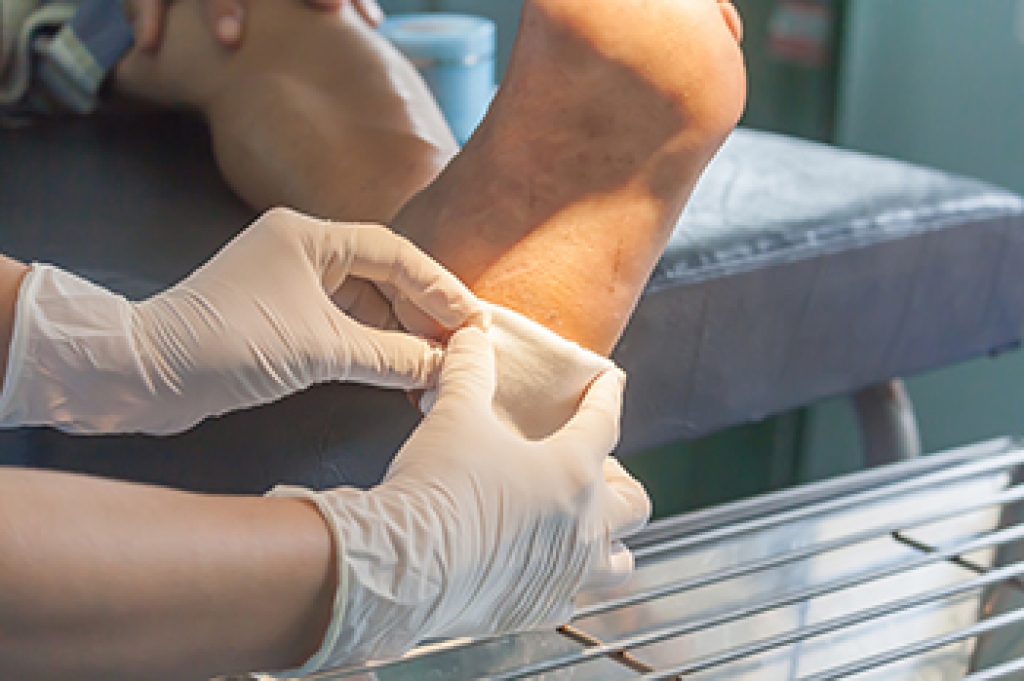
Treating a cut on the bottom of the foot begins with clean hands to prevent introducing bacteria into the wound. Gently wash the affected area with clean water to remove dirt and debris. Avoid using harsh chemicals that may irritate the tissue. After cleaning, apply a sterile bandage to protect the wound and keep it covered. More severe and painful cuts or wounds require podiatric care to ensure proper healing. Changing the bandage regularly and keeping the area dry can support the healing process. Reducing pressure on the foot by limiting activity may also help prevent the wound from reopening.


Risk factors for complications include deep cuts, delayed treatment, and underlying health conditions, such as diabetes or poor circulation. Walking barefoot in unsanitary environments can increase exposure to bacteria. If you have a cut on the bottom of your foot, it is suggested that you consult a podiatrist for effective treatment solutions.

Wound care is an important part in dealing with diabetes. If you have diabetes and a foot wound or would like more information about wound care for diabetics, consult with Eveleigh Williams, DPM from Sole 2 Sole, PC. Our doctor will assess your condition and provide you with quality foot and ankle treatment.

What Is Wound Care?

Wound care is the practice of taking proper care of a wound. This can range from the smallest to the largest of wounds. While everyone can benefit from proper wound care, it is much more important for diabetics. Diabetics often suffer from poor blood circulation which causes wounds to heal much slower than they would in a non-diabetic. 

What Is the Importance of Wound Care?

While it may not seem apparent with small ulcers on the foot, for diabetics, any size ulcer can become infected. Diabetics often also suffer from neuropathy, or nerve loss. This means they might not even feel when they have an ulcer on their foot. If the wound becomes severely infected, amputation may be necessary. Therefore, it is of the upmost importance to properly care for any and all foot wounds.

How to Care for Wounds

The best way to care for foot wounds is to prevent them. For diabetics, this means daily inspections of the feet for any signs of abnormalities or ulcers. It is also recommended to see a podiatrist several times a year for a foot inspection. If you do have an ulcer, run the wound under water to clear dirt from the wound; then apply antibiotic ointment to the wound and cover with a bandage. Bandages should be changed daily and keeping pressure off the wound is smart. It is advised to see a podiatrist, who can keep an eye on it.

If you have any questions please contact our office located in Olympia Fields, IL . We offer the newest diagnostic and treatment technologies for all your foot and ankle needs.

Read more about Wound Care

How Exercise Can Improve Foot Strength and Balance

Exercise plays an important role in protecting older adults from falls and helping them stay active and independent. Regular movement improves muscle strength, balance, and flexibility, making it easier to walk with confidence and react to uneven ground. Many older adults benefit from a routine that combines endurance activities, strength training, and balance exercises. Walking, swimming, and cycling help build endurance. Light resistance exercises improve muscle strength. Balance activities, like tai chi and standing on one foot, help reduce the risk of falling. Stretching also keeps muscles and joints moving comfortably, making everyday activities easier and safer.

Good foot health is another important part of falls protection. Painful feet, numbness, poor circulation, and foot deformities can affect balance and make walking less stable. Wearing shoes that fit well and provide proper support can improve stability and reduce slipping. Shoes should match the activity being performed and provide enough room for the toes. A podiatrist examines the feet, checks for changes in sensation, and evaluates how patients walk. This examination helps identify problems that increase the risk of falling. A podiatrist also recommends custom orthotics when appropriate to improve balance and relieve pressure on painful areas. Regular foot exams help detect changes before they become more serious.

Exercise is most effective when it becomes part of a regular routine. Adults age 65 and older benefit from at least 150 minutes of moderate physical activity each week. Strength exercises should be completed at least twice each week. Balance and flexibility exercises should also be performed regularly. Staying active supports better mobility, greater confidence, and a lower risk of falls. Healthy feet make exercise safer and more comfortable, allowing people to continue enjoying daily activities. Early attention to foot problems helps prevent mobility challenges that could increase fall risk. If you have injured your foot or ankle while falling, it is suggested that you schedule an appointment with a podiatrist for diagnosis and appropriate treatment.

Preventing falls among the elderly is very important. If you are older and have fallen or fear that you are prone to falling, consult with Eveleigh Williams, DPM from Sole 2 Sole, PC. Our doctor will assess your condition and provide you with quality advice and care.

Every 11 seconds, an elderly American is being treated in an emergency room for a fall related injury. Falls are the leading cause of head and hip injuries for those 65 and older. Due to decreases in strength, balance, senses, and lack of awareness, elderly persons are very susceptible to falling. Thankfully, there are a number of things older persons can do to prevent falls.

How to Prevent Falls

Some effective methods that older persons can do to prevent falls include:

  • Enrolling in strength and balance exercise program to increase balance and strength
  • Periodically having your sight and hearing checked
  • Discuss any medications you have with a doctor to see if it increases the risk of falling
  • Clearing the house of falling hazards and installing devices like grab bars and railings
  • Utilizing a walker or cane
  • Wearing shoes that provide good support and cushioning
  • Talking to family members about falling and increasing awareness

Falling can be a traumatic and embarrassing experience for elderly persons; this can make them less willing to leave the house, and less willing to talk to someone about their fears of falling. Doing such things, however, will increase the likelihood of tripping or losing one’s balance. Knowing the causes of falling and how to prevent them is the best way to mitigate the risk of serious injury.  

If you have any questions, please feel free to contact our office located in Olympia Fields, IL . We offer the newest diagnostic and treatment technologies for all your foot care needs.

Read more about Falls Prevention

Do Your Child's Feet Hurt?

Have your child's feet been examined lately? Healthy feet are happy feet. If your child is complaining of foot pain, it may be a sign of underlying problems.

Connect with us

Latest Chicago Heights, Olympia Fields Blog Posts