
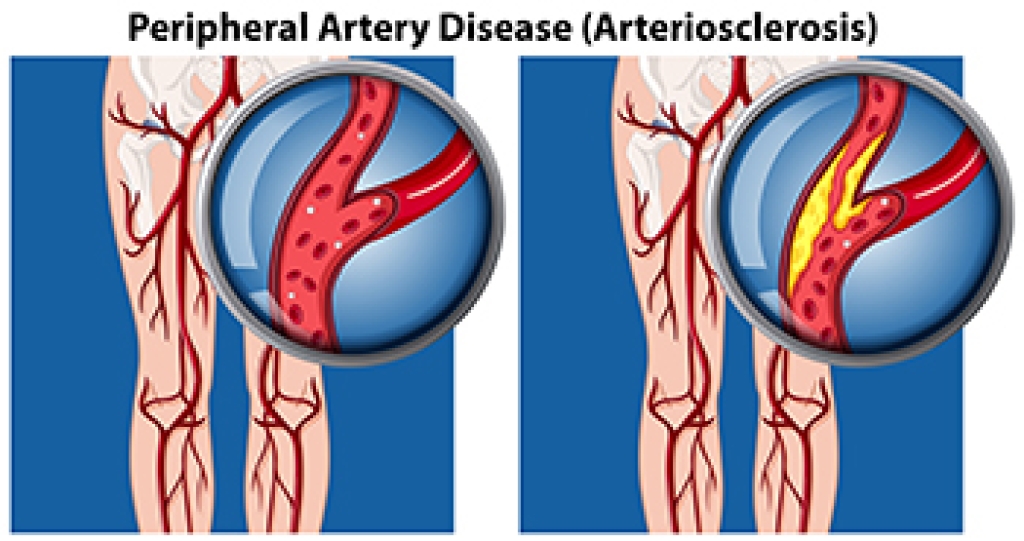
Peripheral Artery Disease

Peripheral artery disease involves impairment of the blood flow through the arteries to upper and lower extremities, like the feet. With this condition, the peripheral blood vessels narrow which decreases blood supply and oxygen to tissues within the legs and feet. Without proper blood flow, cells in your legs and feet cannot perform their functions well and may die. This, in turn, can lead to symptoms ranging from pain to gangrene, and the latter if left untreated could result in amputation. This condition affects both genders and is more common in older people. The main symptom of this disease, if there are any symptoms at all, is pain. An examination will involve looking for signs of trauma, muscle wasting, swelling, redness, absent hair patches, shin abnormalities such as staining, inflammation, or shininess, and ulcers on the foot or leg. Given the severity of complications arising from peripheral artery disease, regular visits to a podiatrist, especially as one ages, are recommended to diagnose and properly treat this disease before it becomes life-threatening.

Peripheral artery disease can pose a serious risk to your health. It can increase the risk of stroke and heart attack. If you have symptoms of peripheral artery disease, consult with Eveleigh Williams, DPM from Sole 2 Sole, PC. Our doctor will assess your condition and provide you with quality foot and ankle treatment.

Peripheral artery disease (PAD) is when arteries are constricted due to plaque (fatty deposits) build-up. This results in less blood flow to the legs and other extremities. The main cause of PAD is atherosclerosis, in which plaque builds up in the arteries.

Symptoms

Symptoms of PAD include:

  • Claudication (leg pain from walking)
  • Numbness in legs
  • Decrease in growth of leg hair and toenails
  • Paleness of the skin
  • Erectile dysfunction
  • Sores and wounds on legs and feet that won’t heal
  • Coldness in one leg

It is important to note that a majority of individuals never show any symptoms of PAD.

Diagnosis

While PAD occurs in the legs and arteries, Podiatrists can diagnose PAD. Podiatrists utilize a test called an ankle-brachial index (ABI). An ABI test compares blood pressure in your arm to you ankle to see if any abnormality occurs. Ultrasound and imaging devices may also be used.

Treatment

Fortunately, lifestyle changes such as maintaining a healthy diet, exercising, managing cholesterol and blood sugar levels, and quitting smoking, can all treat PAD. Medications that prevent clots from occurring can be prescribed. Finally, in some cases, surgery may be recommended.

If you have any questions, please feel free to contact our office located in Olympia Fields, IL . We offer the newest diagnostic and treatment technologies for all your foot care needs.

Read more about Peripheral Artery Disease

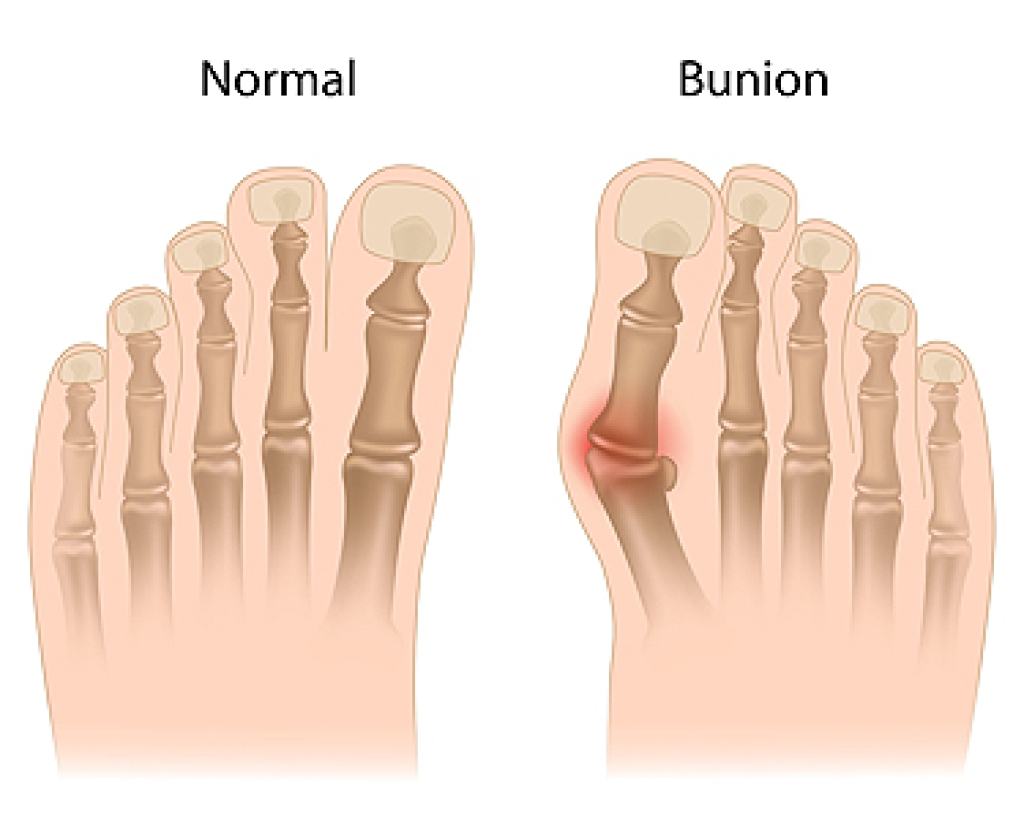
How to Treat a Bunion

Bunions are bony, painful bumps that form inside the foot at the joint of the big toe. They grow slowly, over time, and with repetitive pressure put on the big toe joint the toe leans inward towards the second toe. The leaning eventually leads to a change in the bone structure which causes the bump or deformity to develop. As the bump gets bigger it becomes painful to wear shoes and walk. Bunions develop for several reasons including stress and injury of the foot. Narrow shoes, with insufficient room for the toes, are often the culprit as well. Bunions are said to be more common in women, those with congenital deformities, and people suffering from rheumatoid arthritis. Treatment for bunions starts with wearing wider shoes to accommodate the bump. Cool compresses, bunion pads, orthotics, pain medications, cortisone shots, and physical therapy can also help the soreness. Surgery is a last resort when the bunion pain starts interfering with one’s daily functioning. Due to possible complications, pain, and since bunions may masquerade as something else, seeing a podiatrist is suggested for an examination and treatment suggestions.

If you are suffering from bunions, contact Eveleigh Williams, DPM of Sole 2 Sole, PC. Our doctor can provide the care you need to keep you pain-free and on your feet.

What Is a Bunion?

A bunion is formed of swollen tissue or an enlargement of boney growth, usually located at the base joint of the toe that connects to the foot. The swelling occurs due to the bones in the big toe shifting inward, which impacts the other toes of the foot. This causes the area around the base of the big toe to become inflamed and painful.

Why Do Bunions Form?

Genetics – Susceptibility to bunions are often hereditary

Stress on the feet – Poorly fitted and uncomfortable footwear that places stress on feet, such as heels, can worsen existing bunions

How Are Bunions Diagnosed?

Podiatrists often perform two tests – blood tests and x-rays – when trying to diagnose bunions, especially in the early stages of development. Blood tests help determine if the foot pain is being caused by something else, such as arthritis, while x-rays provide a clear picture of your bone structure to your provider.

How Are Bunions Treated?

  • Refrain from wearing heels or similar shoes that cause discomfort
  • Select wider shoes that can provide more comfort and reduce pain
  • Anti-inflammatory and pain management drugs
  • Orthotics or foot inserts
  • Surgery

If you have any questions, please feel free to contact our office located in Olympia Fields, IL . We offer the newest diagnostic and treatment technologies for all your foot care needs.

Read more about Bunions

Working on the Feet While Pregnant

It is beneficial for women who are pregnant to take frequent breaks during the work day. Many jobs require standing or walking for the majority of the time, and foot pain and swelling may develop. It is important to wear shoes that fit well and are comfortable, in addition to practicing simple stretches while standing. Ideal shoes include those with adequate room for the toes to move freely in, and enough cushioning in the heel area. Stress can be taken off the feet by tightening the core muscles. Also, shifting the weight from one foot to the other may help improve blood circulation and reduce swelling. Some pregnant women choose to wear compression stockings, and these can keep circulation normal. It is known that pregnancy can affect the feet because of the added weight that is endured. If you have questions about how to protect the feet while pregnant, please confer with a podiatrist. 

While working on the feet, it is important to take the proper care of them. For more information about working on your feet, contact Eveleigh Williams, DPM from Sole 2 Sole, PC. Our doctor will treat your foot and ankle needs.

Working on Your Feet

Standing on your feet for long periods of time can cause stress and pain in your feet. Your whole body may experience change in terms of posture, back pain, bunions, callouses and or plantar warts. There are ways to avoid these conditions with proper foot care, smart choices and correct posture.

Positive Changes

Negative heeled shoe – Choosing this shoe type places the heel slightly lower than the ball of the foot. These are great for overall foot health. Find shoes that fit you correctly.

Go barefoot – Our feet were not designed to be enclosed for all hours of the day. Try to periodically expose your feet to air.

Eliminate Pain

Foot Exercises – Performing simple exercises, incorporating yoga and doing stretches are beneficial. This will allow increased blood flow to the area and muscles of the foot.

Achilles tendon – Stretching the foot out flat on the floor will relax the calf muscles and tendon. These exercises can be performed almost anywhere. Make sure you add these exercises to your daily regimen. 

With a little bit of this information and knowing more about foot health, you will notice changes. Foot stretches and proper footwear will help with pain and prevent further issues.

If you have any questions please contact our office located in Olympia Fields, IL . We offer the newest diagnostic and treatment technologies for all your foot and ankle needs.

Read more about How to Handle a Long Work Day on Your Feet

It's Time for Beautiful Feet

You don't need an excuse to have beautiful nails. Step outside without worrying about the appearance of your feet.

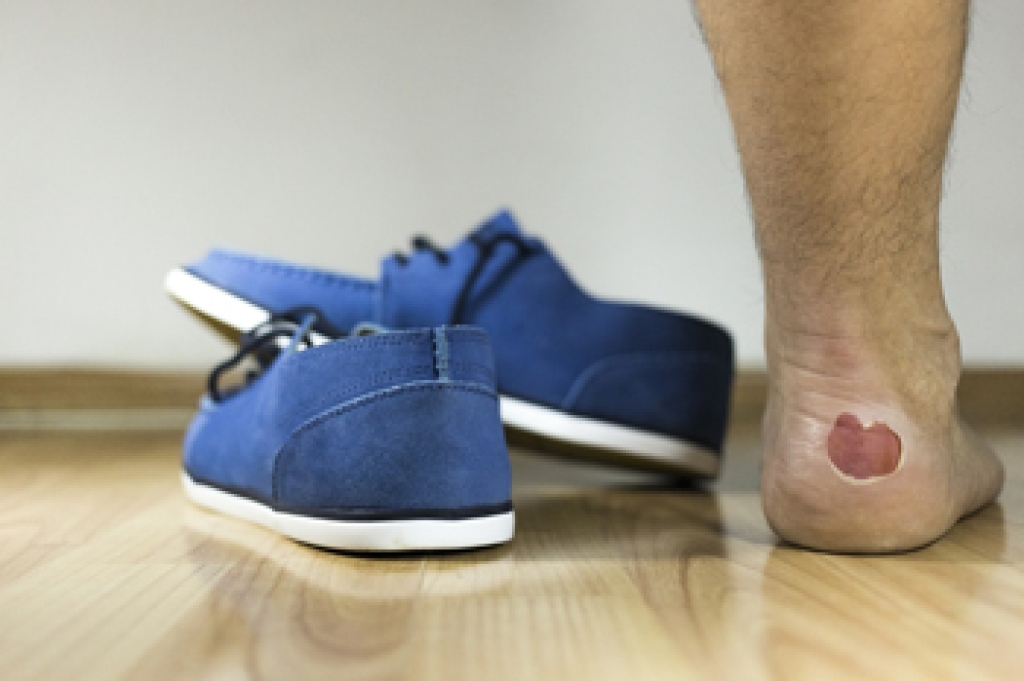
What You Need to Know About Foot Blisters

A foot blister is a small fluid-filled pocket that forms on the foot. Blisters can develop on the feet for several reasons, including friction from footwear, a fungal or bacterial infection, prolonged standing or foot use, a trauma to the foot, or even a sunburn. A blister will usually heal when the underlying cause is identified and eliminated. But if you have a blister on your foot, it can make standing, walking, or exercising uncomfortable. Simple home treatments can be employed to treat some blisters, such as wearing properly fitted shoes and socks or covering the blister with a bandage until it hardens and disappears. If a blister worsens or does not go away in a reasonable time frame, it is suggested you consult a podiatrist for a customized treatment regimen.

Blisters may appear as a single bubble or in a cluster. They can cause a lot of pain and may be filled with pus, blood, or watery serum. If your feet are hurting, contact Eveleigh Williams, DPM of Sole 2 Sole, PC. Our doctor can provide the care you need to keep you pain-free and on your feet.

Foot Blisters

Foot blisters are often the result of friction. This happens due to the constant rubbing from shoes, which can lead to pain.

What Are Foot Blisters?

A foot blister is a small fluid-filled pocket that forms on the upper-most layer of the skin. Blisters are filled with clear fluid and can lead to blood drainage or pus if the area becomes infected.

Symptoms

(Blister symptoms may vary depending on what is causing them)

  • Bubble of skin filled with fluid
  • Redness
  • Moderate to severe pain
  • Itching

Prevention & Treatment

In order to prevent blisters, you should be sure to wear comfortable shoes with socks that cushion your feet and absorb sweat. Breaking a blister open may increase your chances of developing an infection. However, if your blister breaks, you should wash the area with soap and water immediately and then apply a bandage to the affected area. If your blisters cause severe pain it is important that you call your podiatrist right away.

If you have any questions, please feel free to contact our office located in Olympia Fields, IL . We offer the newest diagnostic and treatment technologies for all your foot care needs.
Read more about Blisters
Connect with us

Latest Chicago Heights, Olympia Fields Blog Posts