


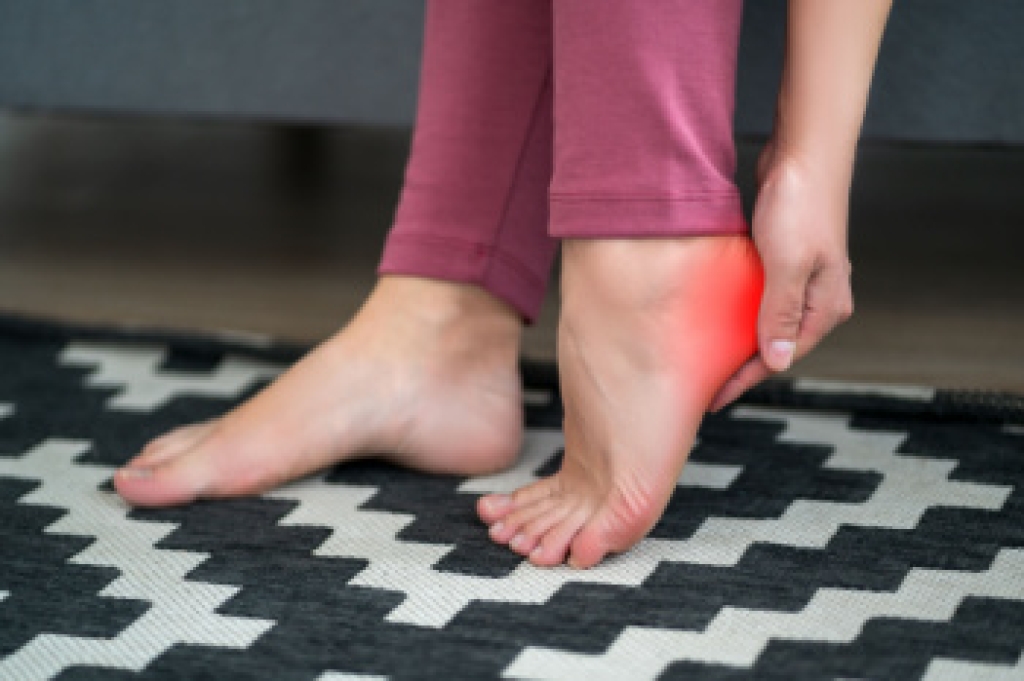
Heel pain is a common foot complaint that can affect people of all activity levels. One specific cause of heel pain is a bruised heel, also known as a heel contusion. This condition occurs when the fat pad under the heel becomes damaged due to repeated impact or a sudden force. The heel pad acts as a natural shock absorber, but excessive stress can lead to bleeding under the skin and tissue irritation. Understanding the source of heel pain is essential for preventing further injury and maintaining proper foot function.
Symptoms of a bruised heel include tenderness and discomfort while walking or standing. Patients may notice a red or purple bruise on the outside of the heel, which is a sign of bleeding beneath the skin surface. The area may feel sore to the touch and worsen with weight-bearing activity. Unlike other causes of heel pain, such as plantar fasciitis, a bruised heel is usually linked to direct impact and may feel more localized. Swelling and stiffness may also be present, making daily movement more difficult.
Several risk factors increase the likelihood of developing a bruised heel. Repetitive pounding on the foot, especially during running or jumping activities, places stress on the heel pad. Wearing loose-fitting shoes can reduce stability and allow the foot to shift, increasing impact forces. Jumping from a high spot and landing directly on the feet can cause immediate injury to the heel. Individuals with high-impact lifestyles or improper footwear choices are at greater risk for developing heel contusions and ongoing discomfort.
Proper care for heel pain includes rest, supportive footwear, and avoiding high-impact activities during recovery. Custom insoles can help reduce pressure on the heel and promote healing. Early evaluation by a podiatrist can confirm the diagnosis and rule out other conditions. Timely treatment helps prevent chronic pain and long-term damage. If you have bruised your heel, it is suggested that you consult a podiatrist for effective relief and treatment solutions.
Many people suffer from bouts of heel pain. For more information, contact Eveleigh Williams, DPM of Sole 2 Sole, PC. Our doctor can provide the care you need to keep you pain-free and on your feet.
Causes of Heel Pain
Heel pain is often associated with plantar fasciitis. The plantar fascia is a band of tissues that extends along the bottom of the foot. A rip or tear in this ligament can cause inflammation of the tissue.
Achilles tendonitis is another cause of heel pain. Inflammation of the Achilles tendon will cause pain from fractures and muscle tearing. Lack of flexibility is also another symptom.
Heel spurs are another cause of pain. When the tissues of the plantar fascia undergo a great deal of stress, it can lead to ligament separation from the heel bone, causing heel spurs.
Why Might Heel Pain Occur?
- Wearing ill-fitting shoes
- Wearing non-supportive shoes
- Weight change
- Excessive running
Treatments
Heel pain should be treated as soon as possible for immediate results. Keeping your feet in a stress-free environment will help. If you suffer from Achilles tendonitis or plantar fasciitis, applying ice will reduce the swelling. Stretching before an exercise like running will help the muscles. Using all these tips will help make heel pain a condition of the past.
If you have any questions, please feel free to contact our office located in Olympia Fields, IL . We offer the newest diagnostic and treatment technologies for all your foot care needs.