


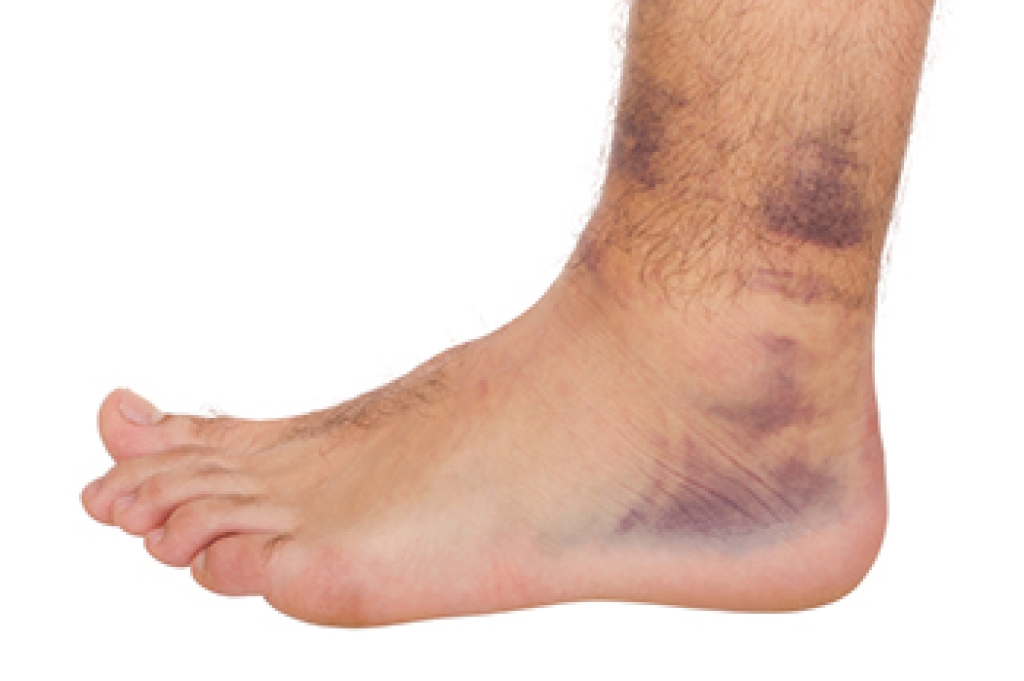
A high ankle sprain can be frustrating because the pain may feel different from a typical ankle injury. This condition affects the ligaments above the ankle that hold the tibia and fibula together. These strong bands of tissue help stabilize the lower leg when you walk, run, or turn. A high ankle sprain may cause pain above the ankle, swelling, and trouble bearing weight. Some people also notice discomfort that becomes worse when the foot is rotated.
The injury often occurs when the ankle is twisted or rotated suddenly. For example, the foot may turn outward while the leg continues moving forward. This can stretch or tear the ligaments between the lower leg bones. High ankle sprains are common in activities involving quick turns or physical contact.
Previous ankle injuries can increase risk. Weak ankle stability may also make another injury more likely.
High and low ankle sprains are not the same. A low sprain usually involves ligaments along the outside of the ankle and may cause pain around the ankle bone. A high sprain affects the area above the joint and can make walking especially uncomfortable. A podiatrist can evaluate the location of pain and assess ankle stability. Depending on the injury, treatment may include rest, bracing, or protected weight-bearing. Imaging may be used to check for ligament damage or a fracture. Severe cases may require surgery.
Recovery depends on the severity of the injury and how well the ankle is protected while healing. Following podiatric instructions can help reduce stress on the injured ligaments and lower the chance of reinjury. If you have sustained a high ankle sprain, it is suggested that you consult a podiatrist for effective relief and treatment solutions.
Although ankle sprains are common, they aren’t always minor injuries. If you need your ankle injury looked at, contact Eveleigh Williams, DPM from Sole 2 Sole, PC. Our doctor can provide the care you need to keep you pain-free and on your feet.
How Does an Ankle Sprain Occur?
Ankle sprains are the result of a tear in the ligaments within the ankle. These injuries may happen when you make a rapid shifting movement while your foot is planted. A less common way to sprain your ankle is when your ankle rolls inward while your foot turns outward.
What Are the Symptoms?
- Pain at the sight of the tear
- Bruising/Swelling
- Ankle area is tender to touch
- In severe cases, may hear/feel something tear
- Skin discoloration
Preventing a Sprain
- Wearing appropriate shoes for the occasion
- Stretching before exercises and sports
- Knowing your limits
Treatment of a Sprain
In many cases, the RICE method (Rest, Ice, Compression, and Elevate) is used to treat ankle sprains. However, you should see a podiatrist to see which treatment option would work best with your injury. In severe cases, surgery may be required.
It is important to ask your doctor about rehab options after you receive treatment for your injury. Stretching, strength training, and balance exercises may help the ankle heal while also preventing further injury.
If you have any questions, please feel free to contact our office located in Olympia Fields, IL . We offer the newest diagnostic and treatment technologies for all your foot care needs.