


 accessibility - Default
Tuesday, 17 March 2026 00:00
What Is Sever’s Disease?
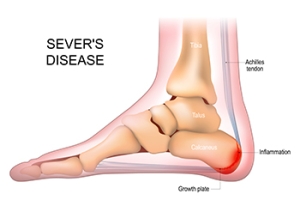
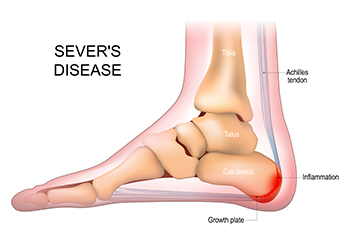
Sever’s disease, which can cause heel pain in active children and adolescents, is known medically as calcaneal apophysitis. It occurs when the growth plate in the heel becomes inflamed due to repeated stress during periods of rapid growth. This condition most often affects children who participate in running or jumping sports. Risk factors include tight calf muscles, increased physical activity, wearing improper footwear, and growth spurts. Symptoms commonly include heel pain, tenderness, limping, and discomfort during sports or walking. A podiatrist can evaluate foot mechanics, provide supportive care, recommend stretching and orthotic support, and guide activity modifications to reduce stress on the heel. Early care helps relieve pain and prevent worsening symptoms. If your active child has persistent heel pain, it is suggested that you consult a podiatrist to explore effective relief solutions.
Sever's disease often occurs in children and teens. If your child is experiencing foot or ankle pain, see Eveleigh Williams, DPM from Sole 2 Sole, PC. Our doctor can treat your child’s foot and ankle needs.
Sever’s Disease
Sever’s disease is also known as calcaneal apophysitis, which is a medical condition that causes heel pain I none or both feet. The disease is known to affect children between the ages of 8 and 14.
Sever’s disease occurs when part of the child’s heel known as the growth plate (calcaneal epiphysis) is attached to the Achilles tendon. This area can suffer injury when the muscles and tendons of the growing foot do not keep pace with bone growth. Therefore, the constant pain which one experiences at the back of the heel will make the child unable to put any weight on the heel. The child is then forced to walk on their toes.
Symptoms
Acute pain – Pain associated with Sever’s disease is usually felt in the heel when the child engages in physical activity such as walking, jumping and or running.
Highly active – Children who are very active are among the most susceptible in experiencing Sever’s disease, because of the stress and tension placed on their feet.
If you have any questions, please feel free to contact our office located in Olympia Fields, IL . We offer the newest diagnostic and treatment technologies for all your foot care needs.
Published in Blog
Tagged under
Tuesday, 17 March 2026 00:00
Sever's Disease
Sever’s disease, also known as calcaneal apophysitis is a common bone disorder that occurs during childhood. The disease is defined as an inflammation of the growth plate in the heel. When a child has a growth spurt, his heel bone grows faster than the muscles, tendons, and ligaments in his leg. This disease is a result of overuse. The people who are most likely to be affected by this disease are children who are in a growth spurt, especially boys who are from the ages of 5 to 13 years old. 60% of children with Sever’s disease have both heels involved.
Symptoms of this disease are heel pain that intensifies during running and jumping activities. The pain is typically localized to the posterior part of the heel. Symptoms may be severe, and they can easily interfere with daily activities. Children who play soccer, baseball, and basketball are more likely to develop Sever’s disease.
Your doctor will diagnose your child based on his or her symptoms, x-rays are generally not helpful in diagnosing this disease. Your doctor may examine both heels and ask your child questions about his or her activity level in sports. Your doctor may then use the squeeze test on your child’s heel to see if there is any pain. Nevertheless, some doctors might still use x-rays to rule out any other issues such as fractures, infections, and tumors.
Sever’s disease can be prevented by maintaining good flexibility while your child is growing. Another prevention method is to wear good-quality shoes that have firm support and a shock-absorbent sole. Sever’s disease can be treated by ceasing any activity that causes heel pain. You should apply ice to the injured heel for 20 minutes 3 times a day. Additionally, orthotics should be used for children who have high arches, flat feet, or bowed legs.
If you suspect your child has Sever’s disease, you should make an appointment with your podiatrist to have his or her foot examined. Your doctor may recommend nonsteroidal anti-inflammatory drugs (NSAIDs), such as ibuprofen or naproxen to relieve pain. In more severe cases, your child may need a cast to rest his or her heel. Fortunately, Sever’s disease does not cause long-term foot problems. After treatment, your child should start to feel better within two weeks to two months.
Published in Featured
Tagged under
Tuesday, 10 March 2026 00:00
When Diabetes Reduces Blood Flow to the Feet
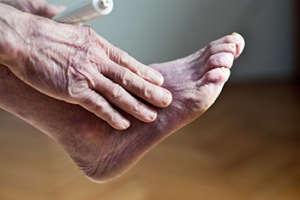
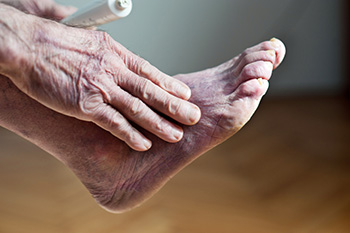
Diabetes can have a significant impact on blood flow to the legs and feet. Over time, elevated blood sugar levels damage blood vessels, causing them to narrow and stiffen. This reduces circulation to the lower extremities, and limits the delivery of oxygen and nutrients needed for healthy tissue. Poor blood flow slows wound healing and makes the feet more vulnerable to ulcers and infection, even from minor injuries. People may notice cold feet, skin color changes, hair loss on the legs, or pain when walking that improves with rest. Because circulation problems often develop gradually, they may go unnoticed until complications appear. Ongoing circulation changes increase the risk of serious outcomes that affect mobility and independence. Routine foot checks and early attention to symptoms are important. If you have diabetes and notice changes in your feet, it is suggested you see a podiatrist for evaluation and appropriate care.
While poor circulation itself isn’t a condition; it is a symptom of another underlying health condition you may have. If you have any concerns with poor circulation in your feet contact Eveleigh Williams, DPM of Sole 2 Sole, PC. Our doctor will treat your foot and ankle needs.
Poor Circulation in the Feet
Peripheral artery disease (PAD) can potentially lead to poor circulation in the lower extremities. PAD is a condition that causes the blood vessels and arteries to narrow. In a linked condition called atherosclerosis, the arteries stiffen up due to a buildup of plaque in the arteries and blood vessels. These two conditions can cause a decrease in the amount of blood that flows to your extremities, therefore resulting in pain.
Symptoms
Some of the most common symptoms of poor circulation are:
- Numbness
- Tingling
- Throbbing or stinging pain in limbs
- Pain
- Muscle Cramps
Treatment for poor circulation often depends on the underlying condition that causes it. Methods for treatment may include insulin for diabetes, special exercise programs, surgery for varicose veins, or compression socks for swollen legs.
As always, see a podiatrist as he or she will assist in finding a regimen that suits you. A podiatrist can also prescribe you any needed medication.
If you have any questions, please feel free to contact our office located in Olympia Fields, IL . We offer the newest diagnostic and treatment technologies for all your foot care needs.
Published in Blog
Tagged under
Tuesday, 10 March 2026 00:00
Causes Symptoms and Treatment for Poor Circulation in the Feet
The purpose of the body’s circulation system is to transport blood, oxygen, and nutrients throughout the body. A reduction of blood to a specific part of the body may cause one to experience symptoms of poor circulation. The most common causes of poor circulation in the feet are obesity, diabetes, and heart conditions such as peripheral artery disease (PAD). Common symptoms of poor circulation include tingling, numbness, throbbing, pain and muscle cramps.
Peripheral artery disease is a common cause of poor circulation in the legs. Symptoms of PAD are cramping, pain or tiredness in the leg or hip muscles while walking or climbing stairs. This pain tends to go away with rest and starts back up when you begin to walk. It is a condition that causes the blood vessels and arteries to become narrow. Although PAD is more common in adults over the age of 50, it may also occur in younger people. A similar condition called atherosclerosis causes arteries to stiffen up due to a buildup of plaque in the arteries and blood vessels.
Blood clots are also a common cause of poor circulation in the feet. Clots may obstruct blood vessels and if they occur in the legs, they may eventually lead to pain and discoloration. This occurrence is commonly known as deep vein thrombosis (DVT) and it may travel to the lungs. Varicose veins are another condition that may lead to poor circulation, and it is caused by incompetence of the valves in the veins. Women who are overweight are prone to developing this condition. Lastly, diabetes, which is correlated with poor blood sugar metabolism may lead to chronic poor circulation. Those with diabetes often suffer from cramping in the legs, calves, thighs and buttocks.
If you are looking for ways to avoid poor circulation there are some tips you can follow. One tip is to avoid sitting for too long. If you plan to sit down for a long period of time, you should try standing up occasionally, to improve your circulation. Another great way to avoid poor circulation is to exercise. Exercise is an excellent way to pump the heart and increase blood flow. Those who suffer from poor circulation should also avoid smoking, reduce their salt intake, and try to lose weight.
If you are experiencing symptoms from poor circulation in your feet, you should consult with your podiatrist to determine the best method for treatment for you. He or she may prescribe medication in addition to recommending specific lifestyle changes to improve your circulation.
Published in Featured
Tagged under
Tuesday, 03 March 2026 00:00
When Ankles Appear to Disappear
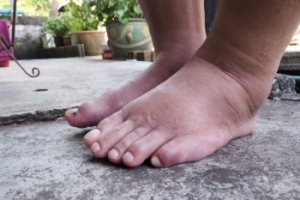

Cankles describe a condition in which the ankle and lower leg appear to blend without a visible curve or separation. They often develop when swelling or fat accumulation occurs due to fluid retention, circulation issues, weight changes, or long periods of standing or sitting. Symptoms include a heavy, tight feeling, aching skin that feels stretched, and shoes that feel suddenly snug. The ankle bones may be difficult to see, and the lower leg can look uniformly thick. A podiatrist begins with a detailed exam and medical history to determine contributing factors, such as vascular changes, inflammation, or foot mechanics. Diagnostic imaging and circulation testing may be involved. Treatment can include compression guidance, custom orthotics, lifestyle changes, and coordination with other providers when needed. Early attention may reduce progression and improve comfort during daily activities. If you think you have cankles, it is suggested that you make an appointment with a podiatrist for evaluation and treatment.
Ankle pain can be caused by a number of problems and may be potentially serious. If you have ankle pain, consult with Eveleigh Williams, DPM from Sole 2 Sole, PC. Our doctor will assess your condition and provide you with quality foot and ankle treatment.
Ankle pain is any condition that causes pain in the ankle. Due to the fact that the ankle consists of tendons, muscles, bones, and ligaments, ankle pain can come from a number of different conditions.
Causes
The most common causes of ankle pain include:
- Types of arthritis (rheumatoid, osteoarthritis, and gout)
- Ankle sprains
- Broken ankles
- Achilles tendonitis
- Achilles tendon rupture
- Stress fractures
- Bursitis
- Tarsal tunnel syndrome
- Plantar fasciitis
Symptoms
Symptoms of ankle injury vary based upon the condition. Pain may include general pain and discomfort, swelling, aching, redness, bruising, burning or stabbing sensations, and/or loss of sensation.
Diagnosis
Due to the wide variety of potential causes of ankle pain, podiatrists will utilize a number of different methods to properly diagnose ankle pain. This can include asking for personal and family medical histories and of any recent injuries. Further diagnosis may include sensation tests, a physical examination, and potentially x-rays or other imaging tests.
Treatment
Just as the range of causes varies widely, so do treatments. Some more common treatments are rest, ice packs, keeping pressure off the foot, orthotics and braces, medication for inflammation and pain, and surgery.
If you have any questions please feel free to contact our office located in Olympia Fields, IL . We offer the newest diagnostic tools and technology to treat your foot and ankle needs.
Published in Blog
Tagged under
Tuesday, 03 March 2026 00:00
Ankle Pain
The ankle joint is the point at which the bones of the leg and foot join. This joint is crucial because it is responsible for the foot’s mobility. Ankle pain is typically the result of inflammation from an injury to bones, joint space, cartilage, ligaments, tendons, or muscles in the area. Commonly associated symptoms with ankle pain are bruising, redness, numbness, stiffness, weakness, and tingling.
The most common causes of ankle pain are sprains and injuries. Ankle sprains are one of the most common musculoskeletal injuries. Sprains occur when the ligaments of the ankle become partially or completely torn due to sudden stretching. Sprains can occur on either the inner or outer sides of the ankle joint. Usually, these injuries occur when the ankle is twisted in an activity by stepping off an uneven surface. More specific causes include rheumatoid arthritis, gout, osteoarthritis, and Achilles tendonitis.
If you are experiencing ankle pain, you should consult with your podiatrist to choose the best method of care. Your doctor will conduct an examination of your ankle to determine the underlying cause of the pain.
Published in Featured
Tagged under
Friday, 27 February 2026 00:00
Why Live with Pain and Numbness in Your Feet?


Suffering from this type of pain? You may have the foot condition known as Morton's neuroma. Morton's neuroma may develop as a result of ill-fitting footwear and existing foot deformities. We can help.
Published in Blog
Tagged under
Tuesday, 24 February 2026 00:00
Types of Fungal Toenail Infections
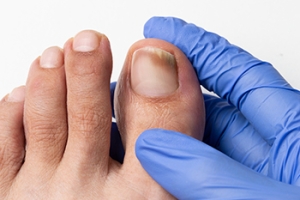

Fungal toenail infections develop when microscopic fungi enter small cracks in the nail or surrounding skin and slowly multiply in the warm, moist environment inside shoes. Several distinct types affect toenails. A distal subungual infection is the most common. It begins at the tip or sides, causing yellow or white streaks and thickening beneath the nail. White superficial infection involves the surface layers, producing chalky patches that make the nail rough and crumbly. Proximal subungual infection starts near the cuticle and spreads outward. It is sometimes linked with weakened immunity or prior injury. Yeast-related infections may inflame the surrounding tissue and loosen the nail from its bed. A podiatrist confirms the diagnosis using nail samples and determines the specific organism before prescribing medical antifungal therapy, nail procedures, or advanced management for damaged nails. If you have a fungal toenail infection, it is suggested that you make an appointment with a podiatrist for an exam, diagnosis, and treatment.
If left untreated, toenail fungus may spread to other toenails, skin, or even fingernails. If you suspect you have toenail fungus it is important to seek treatment right away. For more information about treatment, contact Eveleigh Williams, DPM of Sole 2 Sole, PC. Our doctor can provide the care you need to keep you pain-free and on your feet.
Symptoms
- Warped or oddly shaped nails
- Yellowish nails
- Loose/separated nail
- Buildup of bits and pieces of nail fragments under the nail
- Brittle, broken, thickened nail
Treatment
If self-care strategies and over-the-counter medications does not help your fungus, your podiatrist may give you a prescription drug instead. Even if you find relief from your toenail fungus symptoms, you may experience a repeat infection in the future.
Prevention
In order to prevent getting toenail fungus in the future, you should always make sure to wash your feet with soap and water. After washing, it is important to dry your feet thoroughly especially in between the toes. When trimming your toenails, be sure to trim straight across instead of in a rounded shape. It is crucial not to cover up discolored nails with nail polish because that will prevent your nail from being able to “breathe”.
In some cases, surgical procedure may be needed to remove the toenail fungus. Consult with your podiatrist about the best treatment options for your case of toenail fungus.
If you have any questions please contact our office located in Olympia Fields, IL . We offer the newest diagnostic and treatment technologies for all your foot and ankle needs.
Published in Blog
Tagged under
Tuesday, 24 February 2026 00:00
Toenail Fungus
Toenail fungus is a frustrating problem that affects many people. It can be persistent and hard to get rid of. As many different types of fungi are present throughout the environment, it is very easy to contract toenail fungus.
The feet are especially susceptible to toenail fungus because shoes and socks create the ideal dark and moist environment that fungal infections thrive in. While fungal infections of the nail plate are quite common, if left untreated they can spread beyond the toenail and into the skin and other parts of the body.
Signs of toenail fungus include a thickened nail that has become yellow or brown in color, a foul smell, and debris beneath the nail. The toe may become painful due to the pressure of a thicker nail or the buildup of debris.
Treatment for toenail fungus is most effective during the early stages of an infection. If there is an accumulation of debris beneath the nail plate, an ingrown nail or a more serious infection can occur. While each treatment varies between patients, your podiatrist may prescribe you oral medications, topical liquids and creams, or laser therapy. To determine the best treatment process for you, be sure to visit your podiatrist at the first signs of toenail fungus.
Published in Featured
Tagged under
Tuesday, 17 February 2026 00:00
Why Certain Heel and Foot Tendon Injuries Need Different Care
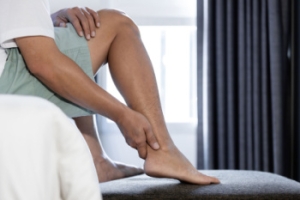

Pain along the back of the heel or through the foot is often blamed on a single tendon problem, but there are important differences that affect treatment. One condition commonly involves short-term irritation of a tendon, such as the Achilles tendon, often triggered by a sudden increase in walking, running, or standing. This type of injury is linked to inflammation and may improve with rest and activity changes. Another condition develops gradually and reflects long-standing wear within the tendon fibers themselves. In this situation, the tissue becomes weaker and less flexible, especially in the Achilles tendon or tendons supporting the arch. Treating both problems the same way can slow healing and prolong discomfort. Identifying which process is present helps guide appropriate care and recovery strategies. If heel or foot tendon pain persists, it is suggested that you see a podiatrist for a full exam and appropriate treatment.
Achilles tendon injuries need immediate attention to avoid future complications. If you have any concerns, contact Eveleigh Williams, DPM of Sole 2 Sole, PC. Our doctor can provide the care you need to keep you pain-free and on your feet.
What Is the Achilles Tendon?
The Achilles tendon is a tendon that connects the lower leg muscles and calf to the heel of the foot. It is the strongest tendon in the human body and is essential for making movement possible. Because this tendon is such an integral part of the body, any injuries to it can create immense difficulties and should immediately be presented to a doctor.
What Are the Symptoms of an Achilles Tendon Injury?
There are various types of injuries that can affect the Achilles tendon. The two most common injuries are Achilles tendinitis and ruptures of the tendon.
Achilles Tendinitis Symptoms
- Inflammation
- Dull to severe pain
- Increased blood flow to the tendon
- Thickening of the tendon
Rupture Symptoms
- Extreme pain and swelling in the foot
- Total immobility
Treatment and Prevention
Achilles tendon injuries are diagnosed by a thorough physical evaluation, which can include an MRI. Treatment involves rest, physical therapy, and in some cases, surgery. However, various preventative measures can be taken to avoid these injuries, such as:
- Thorough stretching of the tendon before and after exercise
- Strengthening exercises like calf raises, squats, leg curls, leg extensions, leg raises, lunges, and leg presses
If you have any questions please feel free to contact our office located in Olympia Fields, IL . We offer the newest diagnostic tools and technology to treat your foot and ankle needs.
Published in Blog
Tagged under