


Friday, 16 April 2021 00:00
Reminder: When Was the Last Time...?

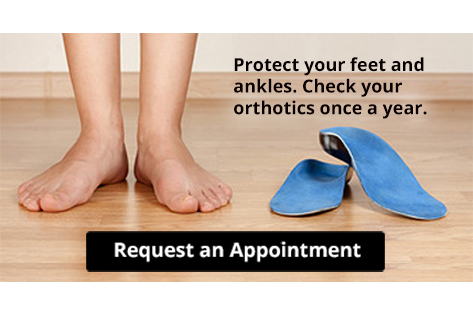
Custom orthotics, or shoe inserts, should be periodically replaced. Orthotics must fit properly to give you the best results. Protect your feet and ankles!
Published in
Blog
Tagged under
Monday, 12 April 2021 00:00
What is Extracorporeal Shock Wave Therapy?

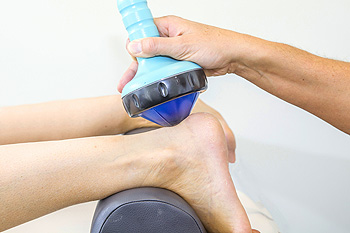
For people suffering with chronic plantar fasciitis which has not responded to traditional treatment, Extracorporeal Shock Wave Therapy may be an option. Extracorporeal refers to something outside of the body, and in this case, Extracorporeal Shock Wave Therapy (ESWT) is a non-invasive alternative to surgery that may offer relief. In ESWT, ultrasound is used to find the location of the damage to the plantar fascia, and a calibrated current of shock waves is targeted directly into this area to facilitate the creation of new tissue cells and eventual healing. Contact a podiatrist to see if you may be a good candidate for ESWT.
Shockwave therapy is a treatment commonly used to treat various injuries and conditions, particularly plantar fasciitis in the feet. To learn more, consult with Eveleigh Williams, DPM from Sole 2 Sole, PC. Our doctor can provide the care you need to keep you pain-free and on your feet.
Shockwave Therapy
Shockwave therapy is a new treatment option designed to treat bone conditions such as tennis elbow, shoulder pain, and others. Shockwave therapy uses high intensity sound waves that are directed to the affected tissues of the body with pinpoint accuracy. The effects are very beneficial, leading to a production of collagen fibers, eliminating inflammation.
Who Benefits from Shockwave?
Shockwave is recommended for patients suffering from heel pain and associated problems. Heel pain is a common condition which can be caused by obesity, overexertion, and spending a substantial amount of time on hard floors with your feet exposed and unsupported.
Fast and Easy
The therapy is actually a simple process that can leave patients feeling better the very next day. Shockwave therapy is not as dramatic as it sounds. It enables more blood flow to effected areas, addressing the source of the problem and allowing treatment to last for a long time.
Treatment & Recovery Time
Shockwave treatment will enable your feet to recover quickly. This is especially important since surgery is not required. It is cost effective and does not require the use of anesthesia. This treatment is a better option to surgery, since it is proven safe.
If you have any questions, please feel free to contact our office located in Olympia Fields, IL . We offer the newest diagnostic and treatment technologies for all your foot care needs.
Published in
Blog
Tagged under
Monday, 12 April 2021 00:00
Shockwave Therapy
Extracorporeal Shockwave Therapy (ESWT) is an alternative treatment method that is used for bone and soft tissue disorders in the foot and ankle. EWST is a noninvasive option for pain relief and it was originally created to help dissolve kidney stones. This therapy works by focusing impulses to target the area in pain. This method has been proven to show a reduction in the amount of nerve fibers that transmit painful impulses, which leads to a reduction in pain. Shockwave therapy can also expedite the tissue which would, in turn, increase the amount of new blood vessels that are formed.
Conditions that can be treated with shockwave therapy include Achilles pain and heel pain. People with plantar fasciitis may opt for this therapy and the results are usually great after 18 months. Additionally, this method can also be used to treat fractures that have failed to heal correctly. Anesthesia is not required to perform this treatment. It usually is not painful, but it can be uncomfortable.
The duration of treatment sessions usually lasts 5-15 minutes each. This procedure is safe since there is no risk of infection from wound complications, if you are looking to try shockwave therapy to heal plantar fasciitis, it may take 3-4 sessions to start working. After treatment, patients typically notice a dull pain in the area which was treated. However, this pain rarely lasts more than 24 hours.
Nevertheless, there are pros and cons that come along with Shockwave Therapy. The most obvious pro is that this treatment is noninvasive, meaning surgery will not be required. Another upside is that there have been very little complications that have been found with this procedure. On the other hand, those who opt for surgery are at risk for continued pain, wound problems, and infections. The biggest con for ESWT is that it is very expensive; it typically costs around $1,000 before insurance. Another con is that the effectiveness of the treatment is questionable. Usually, if this treatment is helpful, the difference is small.
If you are curious about Shockwave Therapy, you should talk to your podiatrist to see if this treatment method is right for you. At times, patients will find that there are other treatment options that are more efficient for their individual cases.
Published in
Featured
Tagged under
Monday, 05 April 2021 00:00
Do My Shoes Fit Properly?

 Wearing the right shoe size can help protect your feet from a variety of foot related issues and injuries. Shoes should cushion and support the foot, feel comfortable, and fit properly. There are some important tips to remember to achieve the perfect fit. If you are participating in physical activities, it is important to purchase shoes that are made and designed for your type of activity, such as walking shoes, running shoes, or even hiking boots. Because our feet are at their largest towards the end of the day, it is suggested to have them measured in the afternoon or evening. Ask a sales person for help to ensure you use the brannock device correctly. Make sure the toes can be wiggled while wearing the shoes and it is also suggested to wear the socks you intend to wear with the shoes. Additionally, make sure the shoes are comfortable when walking around the store, and avoid shoes that are made with plastic or have a narrow toe box. If you have questions or need help making sure your shoes fit properly, please seek the advice of a podiatrist.
Getting the right shoe size is an important part of proper foot health. Seek the assistance of Eveleigh Williams, DPM from Sole 2 Sole, PC. Our doctor will provide the care you need to keep you pain-free and on your feet.
Getting the Right Shoe Size
There are many people who wear shoes that are the incorrect size, negatively affecting their feet and posture. Selecting the right shoes is not a difficult process, so long as you keep several things in mind when it comes to choosing the right pair.
- When visiting the shoe store, use the tools available to measure your foot.
- Be sure there is ‘wiggle room’. There should be about an inch between your toes and the tip of your shoes.
- Do not always assume you are the same size, as manufacturers run differently.
- Purchase shoes later in the day, as your feet swell as the day progresses.
- If a shoe is not comfortable, it is not suitable. Most shoes can’t be ‘broken in’, and comfort should be the ultimate goal when it comes to choosing the right pair of shoes
As our feet hold our body weight and keep us moving, it is important to treat them right. Picking the right pair of shoes can provide your feet comfort and mobility without pain.
If you have any questions, please feel free to contact our office located in Olympia Fields, IL . We offer the newest diagnostic and treatment technologies for all your foot care needs.
Published in
Blog
Tagged under
Monday, 05 April 2021 00:00
Getting the Right Shoe Size
If you want to ensure the long-term health of your feet, you should choose the right pair of shoes to wear on an everyday basis. Poorly fitting shoes will not only be uncomfortable, but they may also cause foot pain and unwanted foot conditions. When looking for a new pair of shoes, there are certain factors you should look for.
One of the most crucial tips you can follow is to always try shoes on in the afternoon. It is normal for feet to swell throughout the day, which means your shoe size may be different in the morning compared to what it is at night. To be safe, you should go with the slightly bigger size to ensure that your feet have enough room within your shoes.
Another rule is to never buy shoes that are too tight (Many people buy shoes that are too tight for their feet and expect the shoes to stretch out). If you are looking for a pair of running sneakers, you can go to a specialty running shoe store to have your feet properly sized. When you purchase shoes in-store, walk around in them to make sure the shoes you are going to buy fit you properly. Take some time to make sure the shoes are comfortable for your feet
The upper section of your shoe should be made from a softer, more flexible material. The material that makes up the shoe should not be slippery. Arch support should be a key factor in the decision-making process for shoes. Arch support is crucial because it will prevent the arches in your feet from collapsing. If your arches collapse, the plantar fascia may begin to stretch out which could lead to plantar fasciitis.
Many problematic foot conditions may be prevented by wearing properly fitting shoes. Some of these unwanted conditions are bunions, corns, calluses, pain, stress fractures, and plantar fasciitis. If you are suffering from any of these ailments you may want to speak with your podiatrist.
Published in
Featured
Tagged under
Monday, 29 March 2021 00:00
How Can I Protect My Feet If I Stand All Day on the Job?

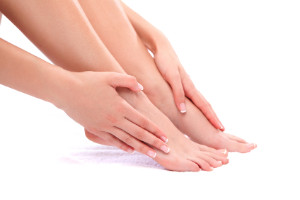 If your job requires that you stand on your feet for prolonged periods of time, it is important to do all you can to stay energized and productive while keeping your feet, ankles and legs healthy. First, purchase a good pair of comfortable shoes with adequate sole and arch support that support the ligaments, tendons, and muscles in your feet and legs. Shoe inserts and over-the-counter orthotics can provide additional support, and custom orthotics can even correct alignment and posture issues. Compression hosiery can apply gentle pressure to your legs and feet and help to reduce discomfort, swelling and fluid build-up. You can also change positions while you stand, stretch your legs and feet frequently, use a footrest to shift weight between legs, stand on a rubberized floor mat, and be sure to take all scheduled breaks and elevate your feet if possible while doing so. Also, make an appointment with a podiatrist who can examine your feet and offer more detailed practical steps and interventions to keep your feet healthy on the job.
While working on the feet, it is important to take the proper care of them. For more information about working on your feet, contact Eveleigh Williams, DPM from Sole 2 Sole, PC. Our doctor will treat your foot and ankle needs.
Working on Your Feet
Standing on your feet for long periods of time can cause stress and pain in your feet. Your whole body may experience change in terms of posture, back pain, bunions, callouses and or plantar warts. There are ways to avoid these conditions with proper foot care, smart choices and correct posture.
Positive Changes
Negative heeled shoe – Choosing this shoe type places the heel slightly lower than the ball of the foot. These are great for overall foot health. Find shoes that fit you correctly.
Go barefoot – Our feet were not designed to be enclosed for all hours of the day. Try to periodically expose your feet to air.
Eliminate Pain
Foot Exercises – Performing simple exercises, incorporating yoga and doing stretches are beneficial. This will allow increased blood flow to the area and muscles of the foot.
Achilles tendon – Stretching the foot out flat on the floor will relax the calf muscles and tendon. These exercises can be performed almost anywhere. Make sure you add these exercises to your daily regimen.
With a little bit of this information and knowing more about foot health, you will notice changes. Foot stretches and proper footwear will help with pain and prevent further issues.
If you have any questions please contact our office located in Olympia Fields, IL . We offer the newest diagnostic and treatment technologies for all your foot and ankle needs.
Published in
Blog
Tagged under
Monday, 29 March 2021 00:00
How to Handle a Long Work Day on Your Feet
In 2014, the American Podiatric Medical Association surveyed 1,000 American adults and found that half of all respondents lived with foot pain. Fortunately, there are ways to avoid foot problems such as following a daily footcare routine and wearing proper footwear at work.
If you have a job that requires you to be on your feet, it is best that you do not wear flat sole shoes. Your heel should be slightly elevated (less than 2 inches, but at least ¼-inch) if you are going to be standing for a prolonged period. You should also make sure that the shoes you wear are not too small. Tight shoes may cut off circulation to your feet, which will result in pain and blisters. It is always best to purchase fitted shoes later in the day, because the feet tend to swell as the day progresses. It may also be helpful to buy shoes a half size larger if you plan on wearing custom orthotics or arch supports.
Your muscles may become stiff when you are constantly standing up. It is important to take breaks every hour to stretch and relax. One tip is to perform calf raises, because this exercise will help improve your circulation. To perform this stretch, you first need to stand on the edge of a step with your abdominal muscles pulled inward. You then need to grip the step with the balls of your feet with your heels hanging over the edge. Next, try to raise your heels above the step by a few inches while standing on your tiptoes; hold this pose for a second. You should then lower your heels back even to the platform. These calf raises should be done ten times for full effectiveness.
You should also take care of your feet while you are at home. One of the best ways to prepare your feet for a long day of work is to soak them in ice water. Doing so for 20 minutes will help fight the swelling and inflammation that results from being on your feet at work.
Nevertheless, if you are experiencing pain in your feet, you should seek help from your podiatrist. Your doctor will help treat any ailments you may have in addition to helping you prevent any other ailments from developing in the future.
Published in
Featured
Tagged under
Wednesday, 17 March 2021 00:00
Heel Pain Can Be Treated!


Do you suffer from heel pain when you get up in the morning? If so, you should seek professional help and have a proper diagnosis performed. Heel pain can be caused by several different foot-related conditions.
Published in
Blog
Tagged under
Monday, 22 March 2021 00:00
Tips to Find the Right Shoes for Toddlers

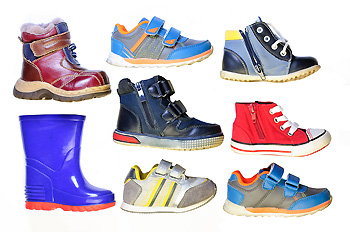 While children are learning to walk, they gain sensory information when the soles of their feet touch the ground. Because of this, they should be barefoot, or in soft soled shoes, as much as possible. Once they have developed muscle strength in the feet and have been able to confidently walk for a while, they can begin to wear a firmer soled shoe. As a child’s foot grows, it is important to update their shoe size when needed. Shoes that are too tight can lead to issues such as ingrown toenails and hamper the child’s walking. An ideal shoe for a toddler has ample room for the toes, a solid heel, a flexible, flat sole, and fasteners to keep the foot from slipping. If you have other questions about finding the right shoes for your toddler, consult a podiatrist for more information.
Making sure that your children maintain good foot health is very important as they grow. If you have any questions, contact Eveleigh Williams, DPM of Sole 2 Sole, PC. Our doctor can provide the care you need to keep you pain-free and on your feet.
Keeping Children's Feet Healthy
Having healthy feet during childhood can help prevent medical problems later in life, namely in the back and legs. As children grow, their feet require different types of care. Here are some things to consider...
Although babies do not walk yet, it is still very important to take care of their feet.
Avoid putting tight shoes or socks on his or her feet.
Allow the baby to stretch and kick his or her feet to feel comfortable.
As a toddler, kids are now on the move and begin to develop differently. At this age, toddlers are getting a feel for walking, so don’t be alarmed if your toddler is unsteady or ‘walks funny’.
As your child gets older, it is important to teach them how to take care of their feet.
Show them proper hygiene to prevent infections such as fungus.
Be watchful for any pain or injury.
Have all injuries checked by a doctor as soon as possible.
Comfortable, protective shoes should always be worn, especially at play.
If you have any questions, please feel free to contact our office located in Olympia Fields, IL . We offer the newest diagnostic and treatment technologies for all your foot care needs.
Published in
Blog
Tagged under
Monday, 22 March 2021 00:00
What to Do to Keep Your Child’s Feet Healthy
Being a parent involves caring for your child in every way you can. You make sure they are eating the right food, being nice to others, and staying out of any trouble. However, it is also important that you are watchful of their health, more specifically their foot health. Maintaining good foot health in childhood is important in preventing later conditions in life from happening. As children continue to develop, their feet require different techniques of care. Here are some various ways in which you can help your child’s feet stay healthy.
A baby needs a lot of care and attention overall, but the importance of their feet should never be forgotten. Before a baby turns one, their feet change and develop greatly. It is important that during this time, a mother avoids putting tight socks on their child. She should also encourage movement of their feet so the baby can begin to feel more comfortable using them.
As a baby enters the toddler years of his or her life, they are begin to walk around. When your baby begins to take those first steps, it is crucial that they are wearing protective shoes on their feet. As a mother that is observant of your child’s feet, you may notice changes in them. This is completely normal as the feet are becoming susceptible to the activity of walking. It is normal for a toddler to be a bit unsteady or to “walk funny” at first.
When your child grows out of their toddler years, it is important that you begin to show him or her how to care for their feet on their own. Practice with your child proper hygiene in order to prevent foot fungus or infection. Since children are constantly on the move, it is crucial to be cautious of any accidents or injuries that might occur. If an injury occurs, it is advised that you take your child to be examined by a doctor immediately. Since your child is still growing, particular injuries can shift the way in which a bone or other important part of the foot is developing.
Babies and kids are always changing and growing. Your job as a parent is to make sure they stay healthy and making sure they are properly maintained. This involves proper foot care and making sure the feet stay healthy. Following this guide, your child can live a long and happy life.
Published in
Featured
Tagged under